


Play together: co-op for mixed ages
Games built for two or more people on one couch, where talking to each other is the way to win.
Editorial collection17 gamesFrom age 3Compiled Sep 2026
Screens are not the only place a game can be useful. Neuropsychologists and early-years educators keep recommending the same handful of board and card games, because planning, deduction, number sense and taking another person's view are the moves you make at the table. This list is those games, with the evidence behind each one stated plainly.
Ages 3-6Board gameMeaningfulness 46/100 · Lowresearch Research-backed
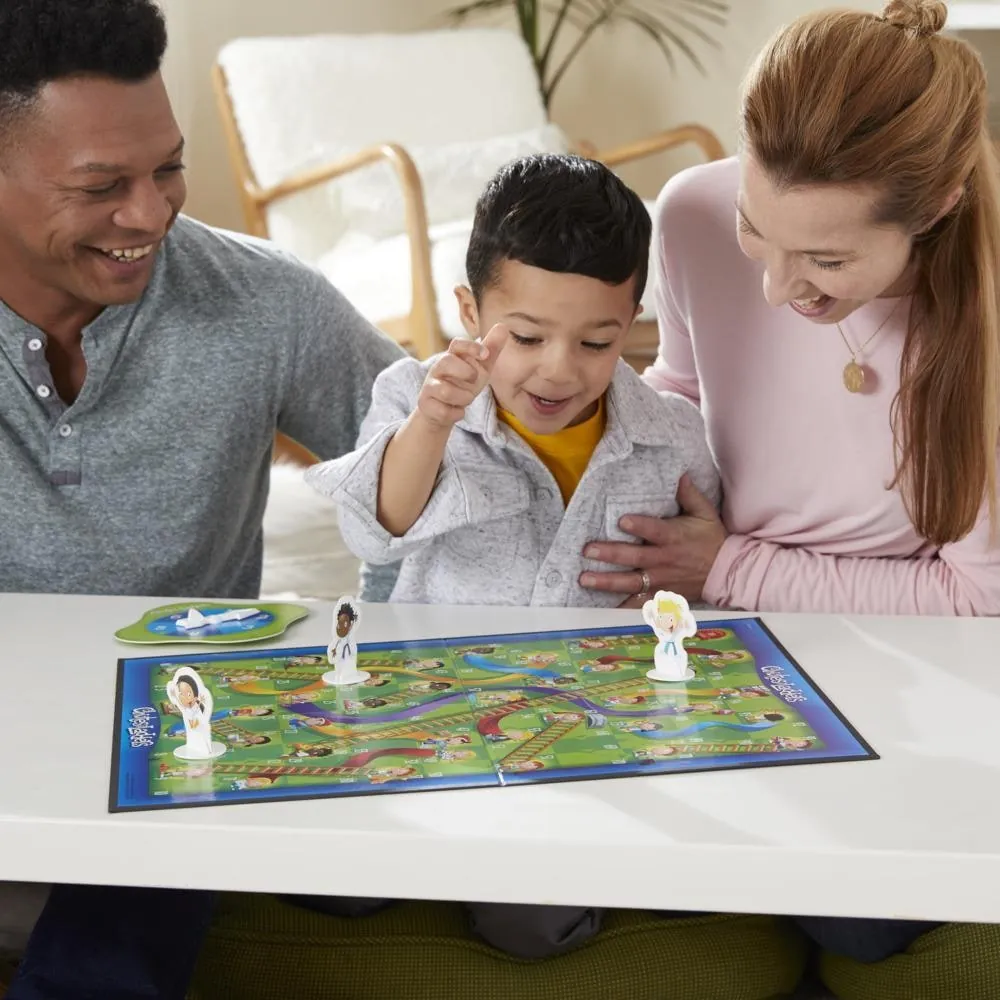
The 1–100 track is the mechanic behind the strongest numeracy evidence for any board game: counting on from a number, one square at a time.
Ages 3-8Board gameMeaningfulness 62/100 · Moderatepractice Practice-backed
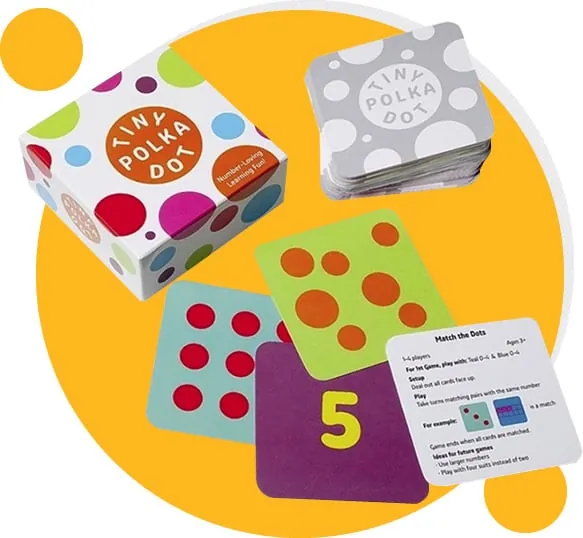
Designed by mathematicians: the same quantity in six dot patterns builds number sense through sixteen quick games.
Ages 4-8Board gameMeaningfulness 34/100 · Minimalpractice Practice-backed
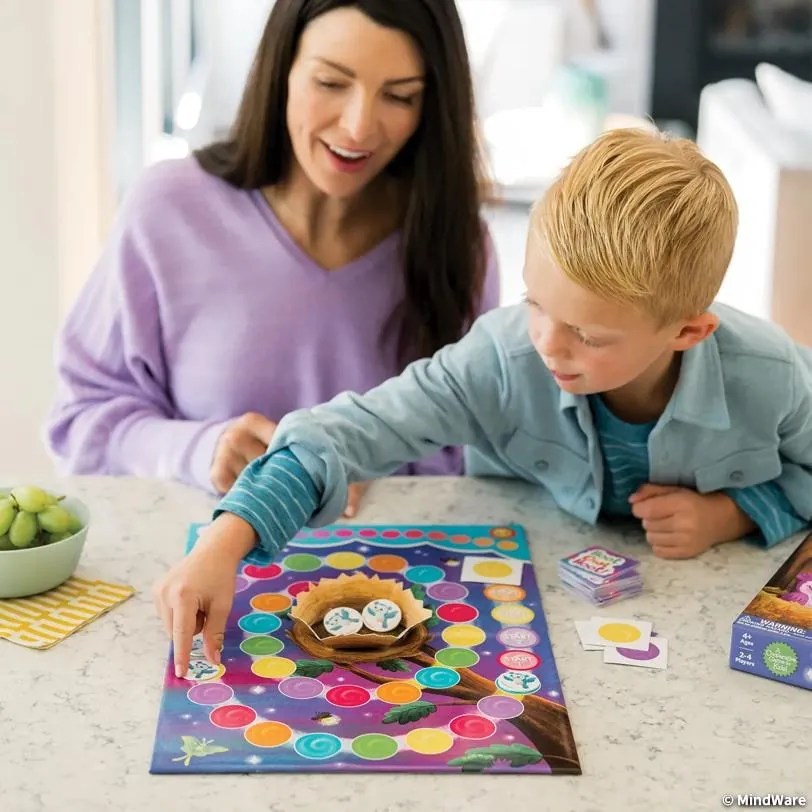
A cooperative race for four-year-olds where choosing which owl to move is a first shared planning decision.
Ages 4-7Board gameMeaningfulness 40/100 · Lowpractice Practice-backed
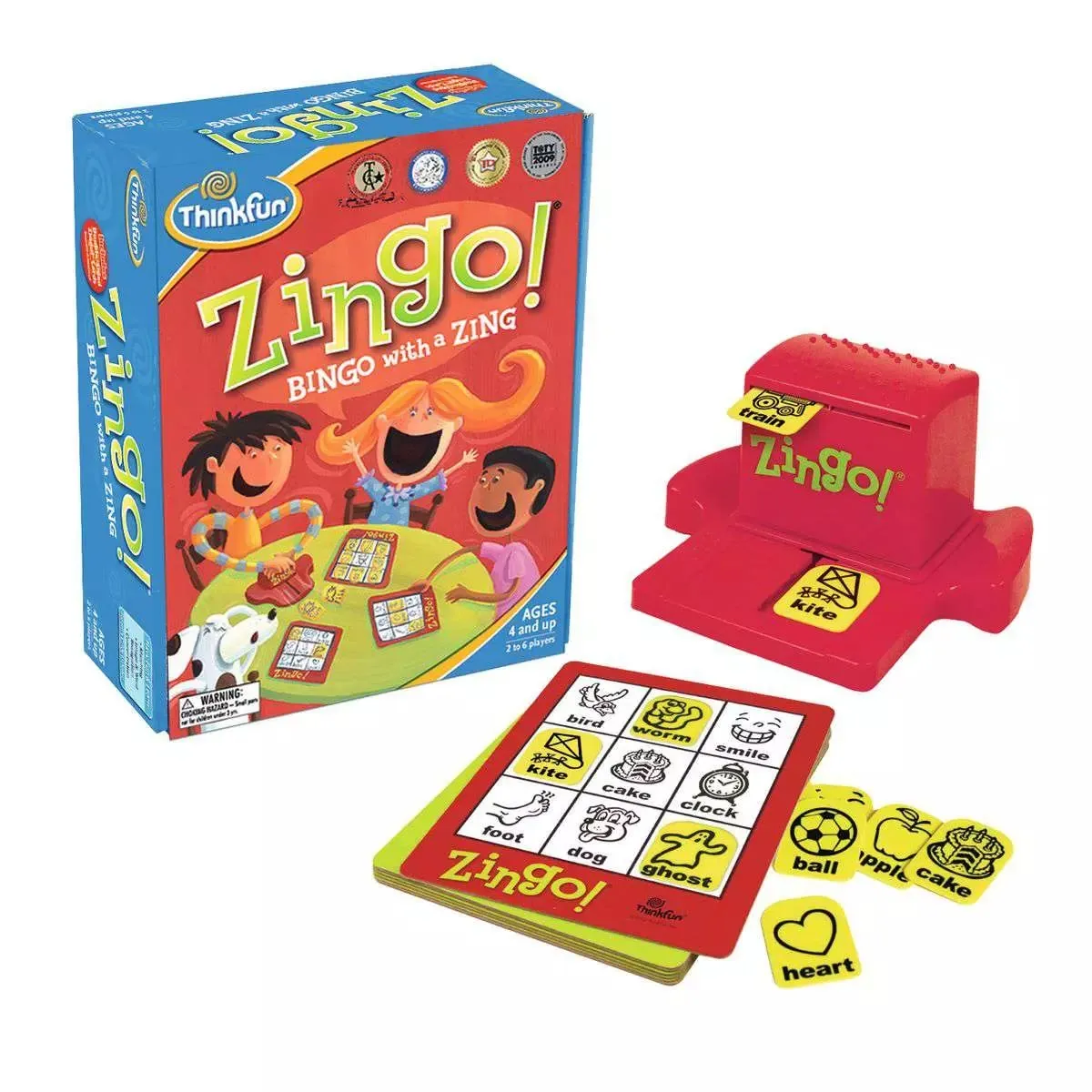
Fast picture matching with a tile dispenser: attention, inhibition and word-picture pairing for pre-readers.
Ages 5-9Board gameMeaningfulness 45/100 · Loweditorial Editorial only
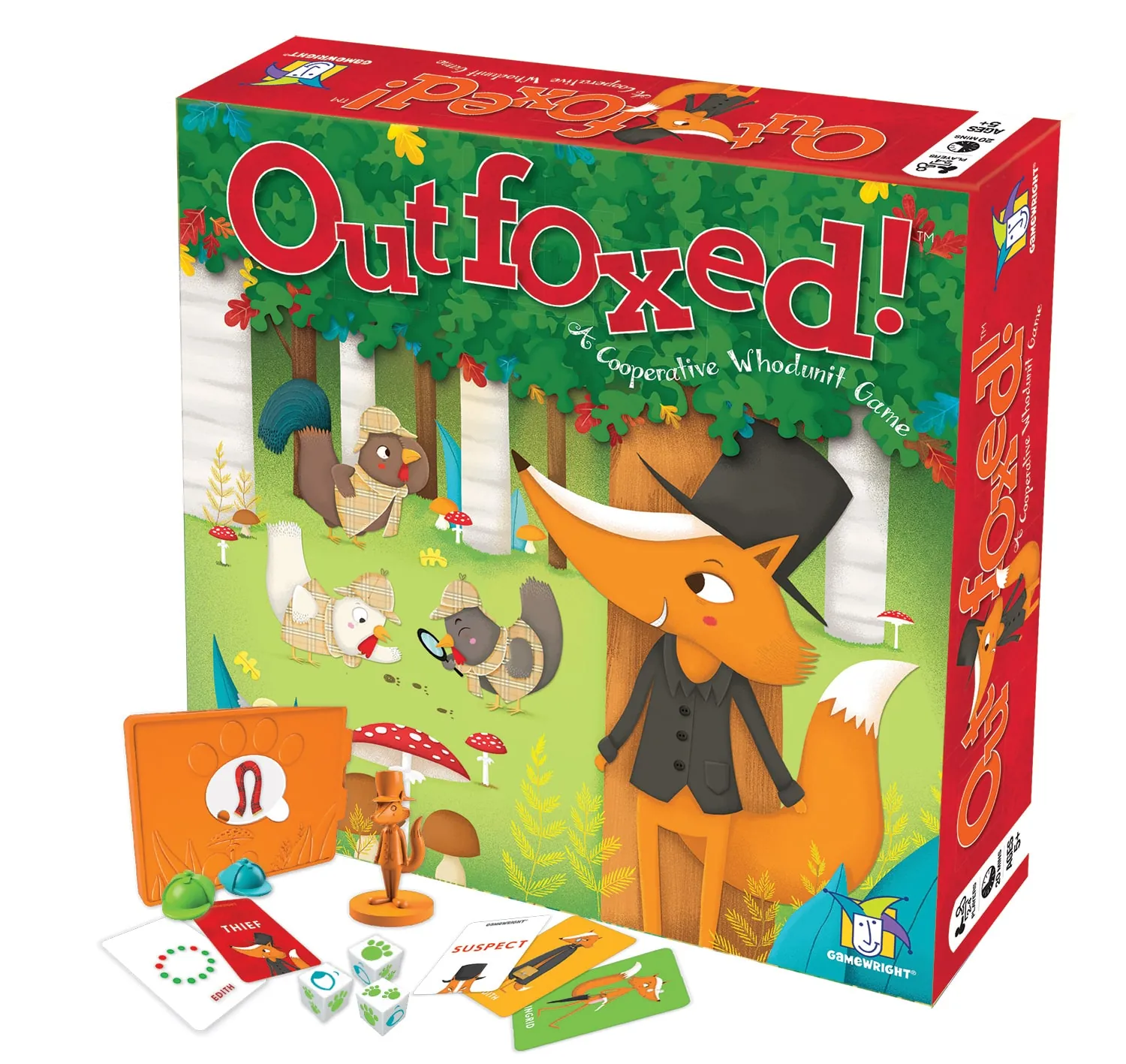
A cooperative whodunit where five-year-olds combine clues and narrow down suspects together.
Ages 5-99Board gameMeaningfulness 42/100 · Lowpractice Practice-backed
Match by colour here and by shape there: the rule-switching that Harvard's executive-function guide cites it for.
Ages 6-9Board gameMeaningfulness 44/100 · Lowpractice Practice-backed
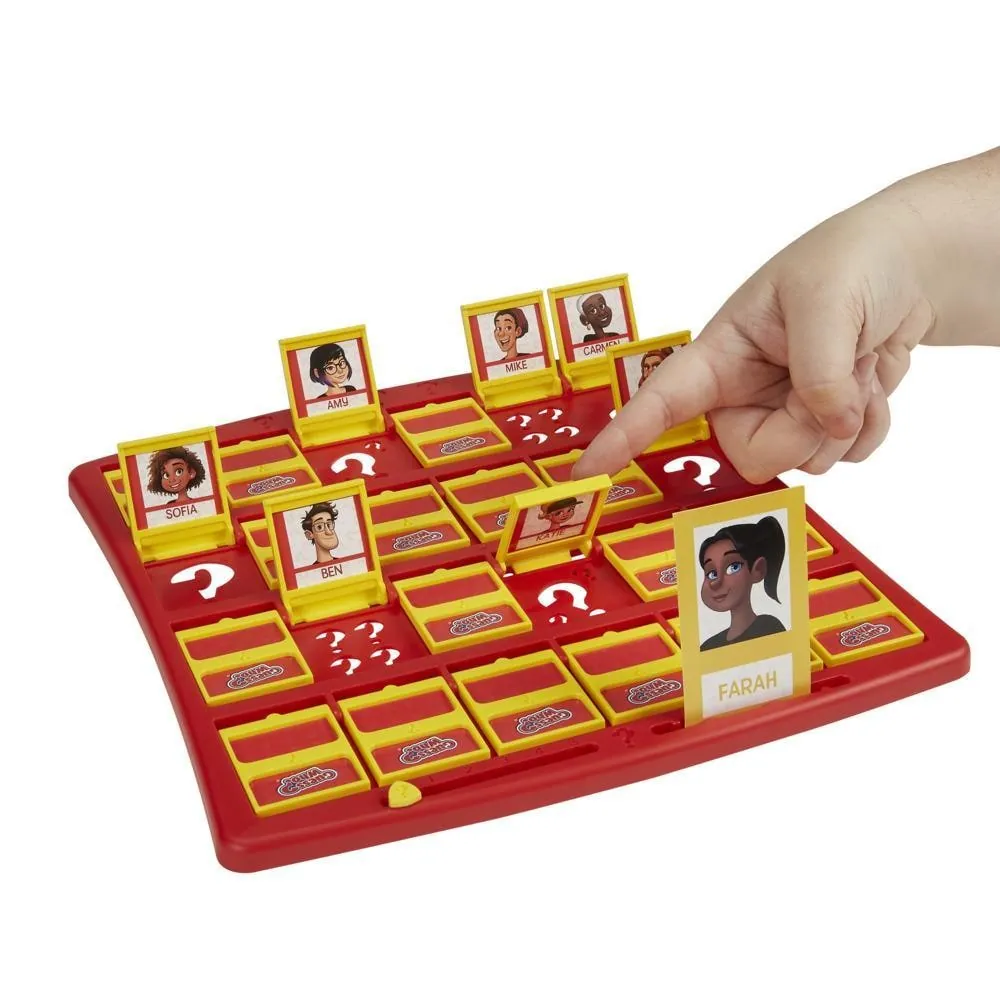
Yes-or-no questions that halve the suspects: elementary deduction, and a favourite of speech-language therapists.
Ages 6-99Board gameMeaningfulness 49/100 · Lowpractice Practice-backed
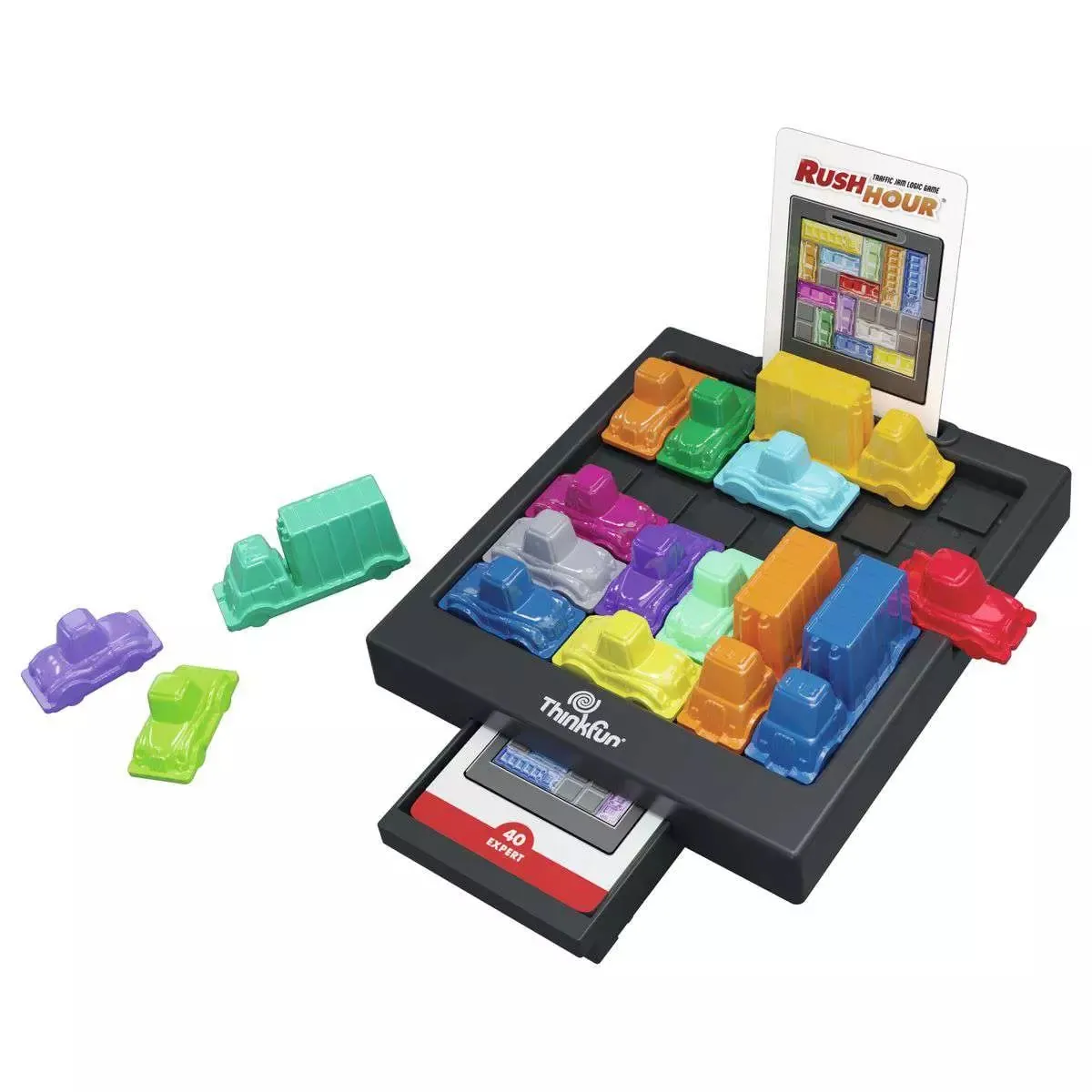
One-player traffic-jam puzzles that are planning in miniature, recommended by Harvard's guide and Understood.org.
Ages 6-99Board gameMeaningfulness 51/100 · Lowpractice Practice-backed
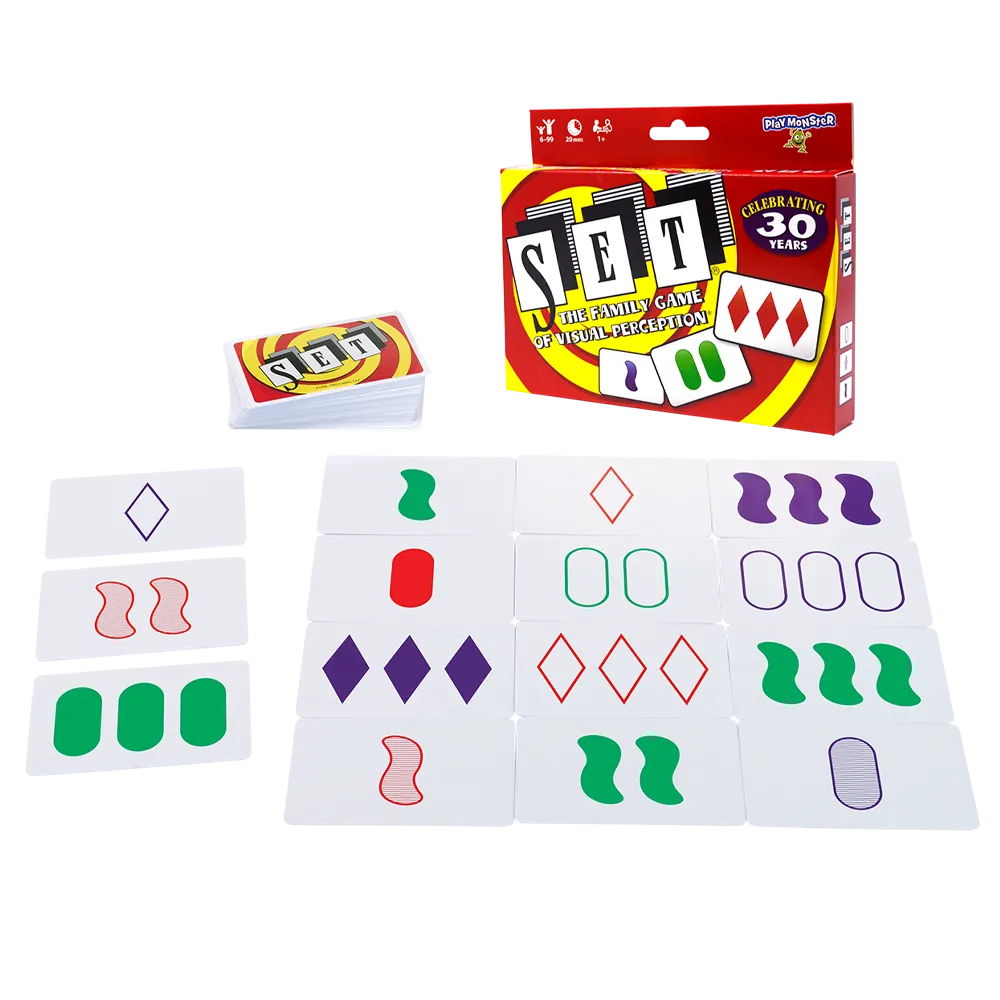
Checking four attributes at once and switching which one you match on; named in Harvard's executive-function guide.
Ages 7-99Board gameMeaningfulness 44/100 · Loweditorial Editorial only
One rule and forty-two shapes: sustained mental rotation and route planning against three opponents.
Ages 7-99Board gameMeaningfulness 54/100 · Lowresearch Research-backed
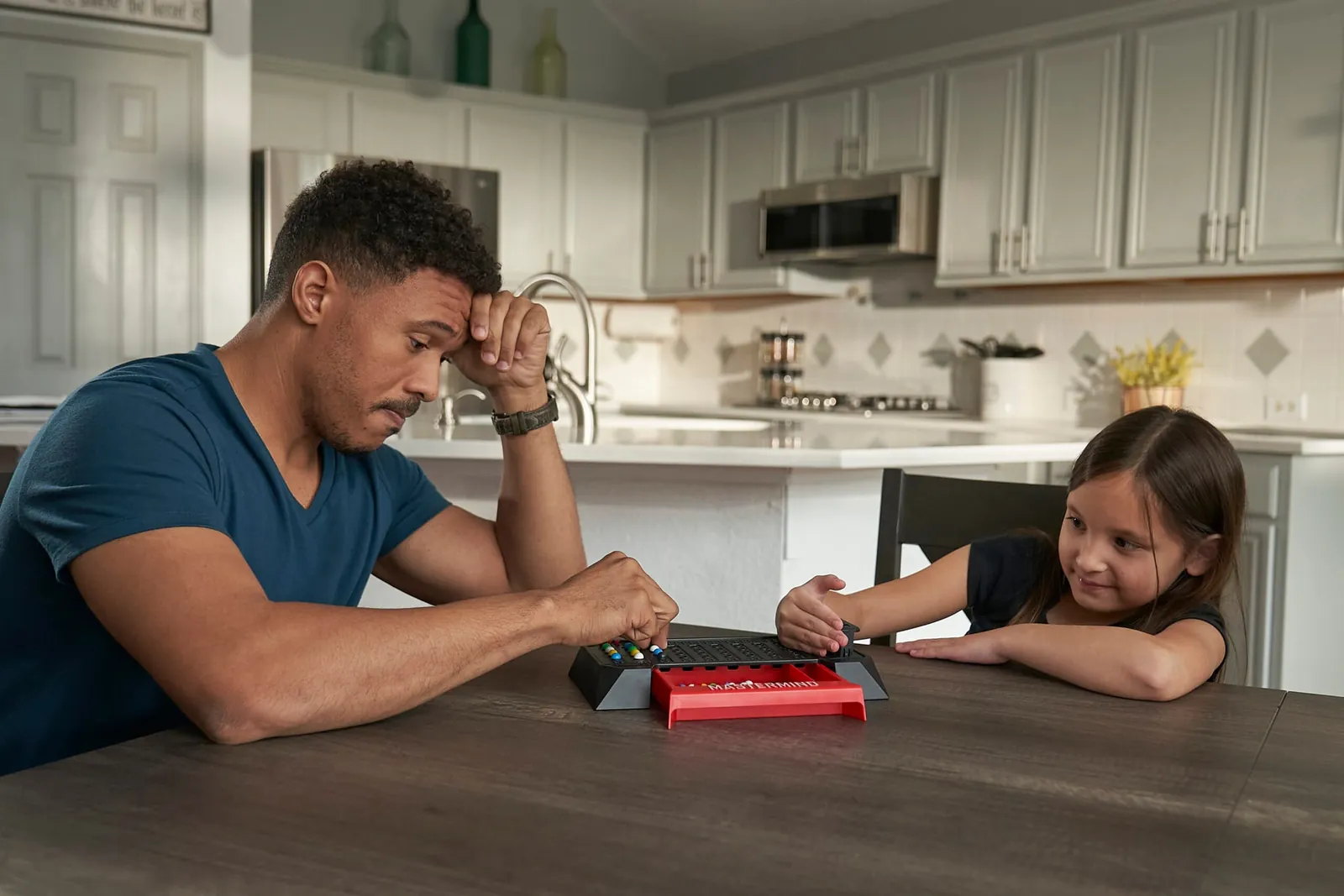
Every guess is a hypothesis and every feedback peg is data; used to teach scientific reasoning.
Ages 7-99Board gameMeaningfulness 72/100 · Highresearch Research-backed
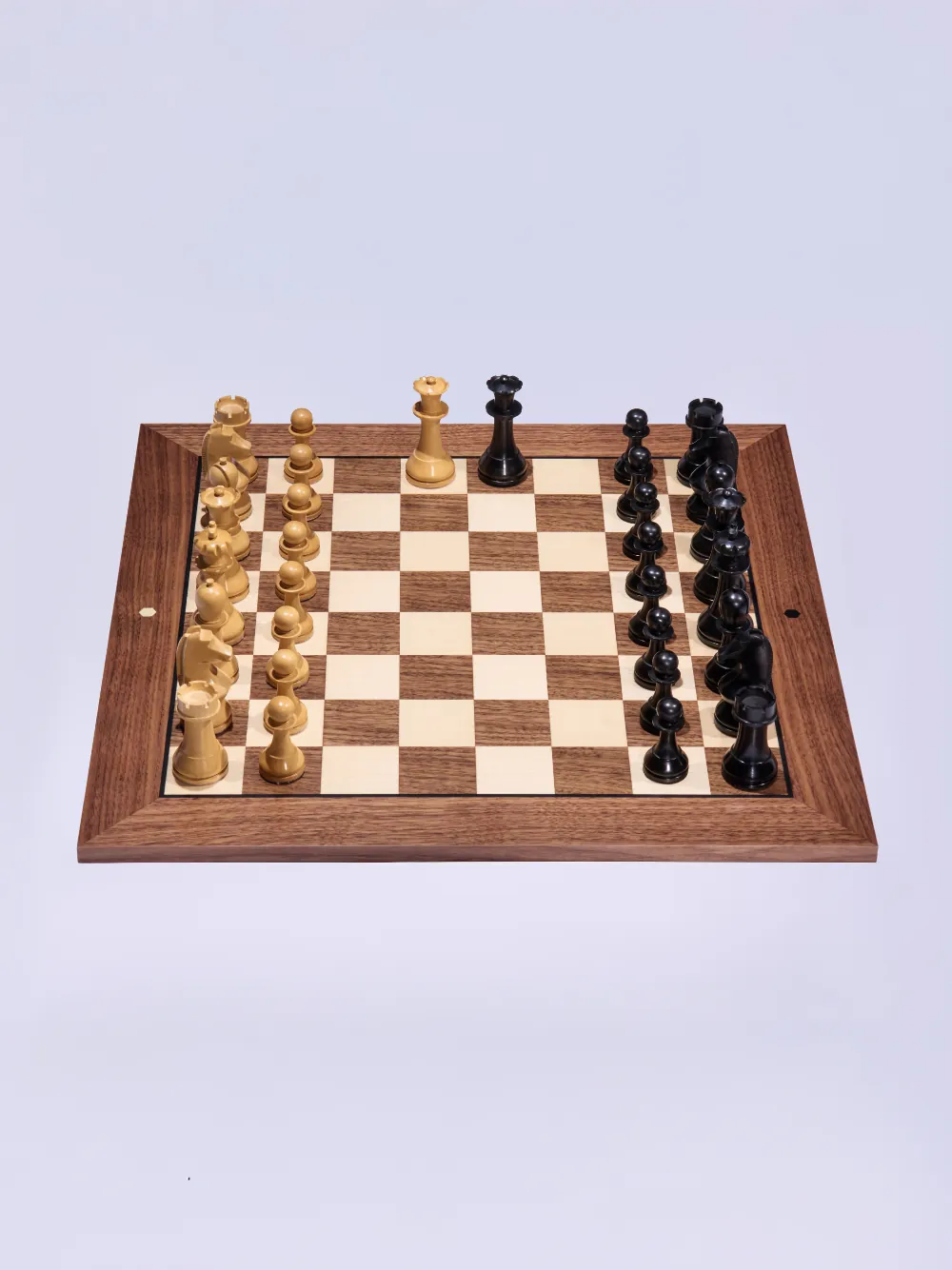
Planning several moves ahead and resisting the tempting one; the meta-analysis says the transfer is modest, and that is why the caveat matters.
Ages 8-99Board gameMeaningfulness 46/100 · Lowresearch Research-backed
A clue that lands with some listeners and misses others is perspective-taking and metaphor, with pictures that open conversations.
Ages 8-99Board gameMeaningfulness 49/100 · Lowpractice Practice-backed
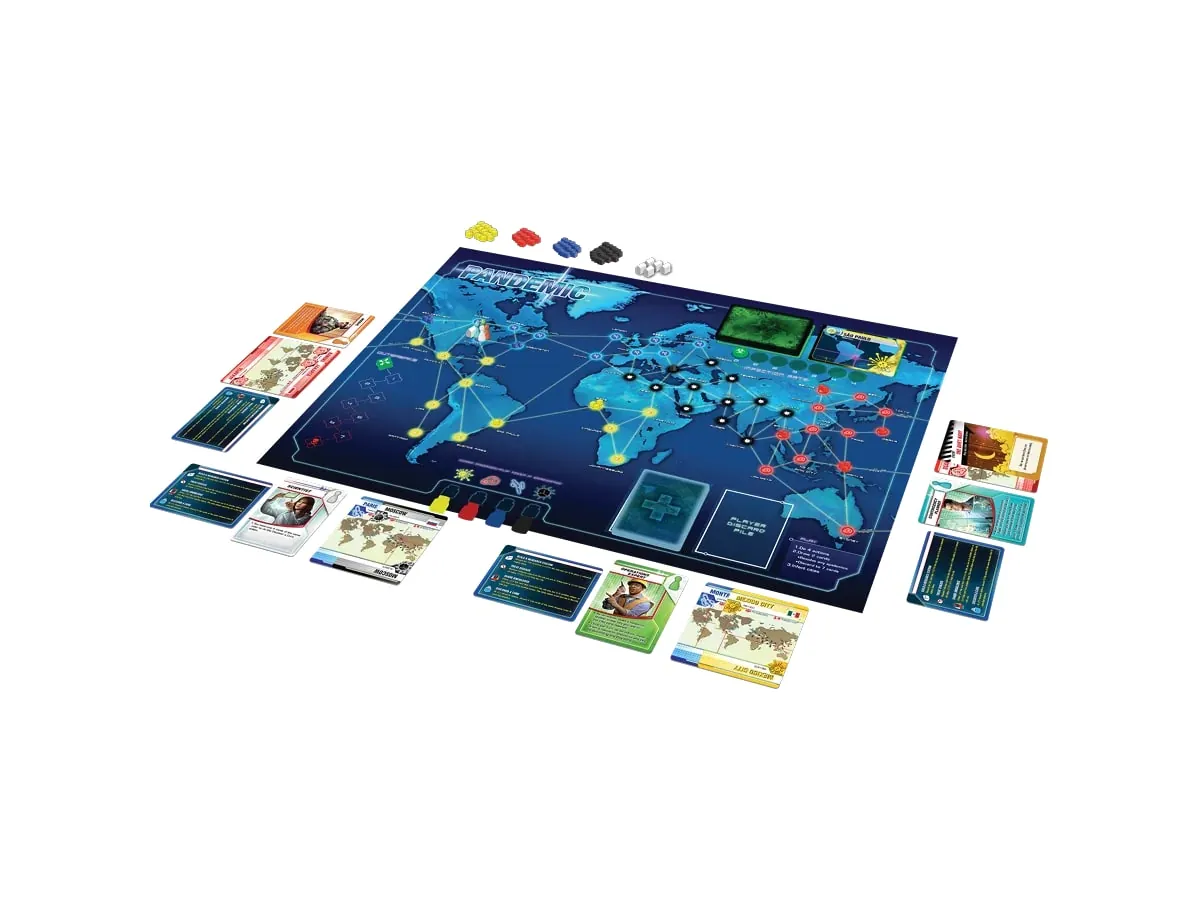
Outbreaks that cascade make exponential spread and triage visible; the cooperative planning is the point.
Ages 10-99Board gameMeaningfulness 69/100 · Moderatepractice Practice-backed
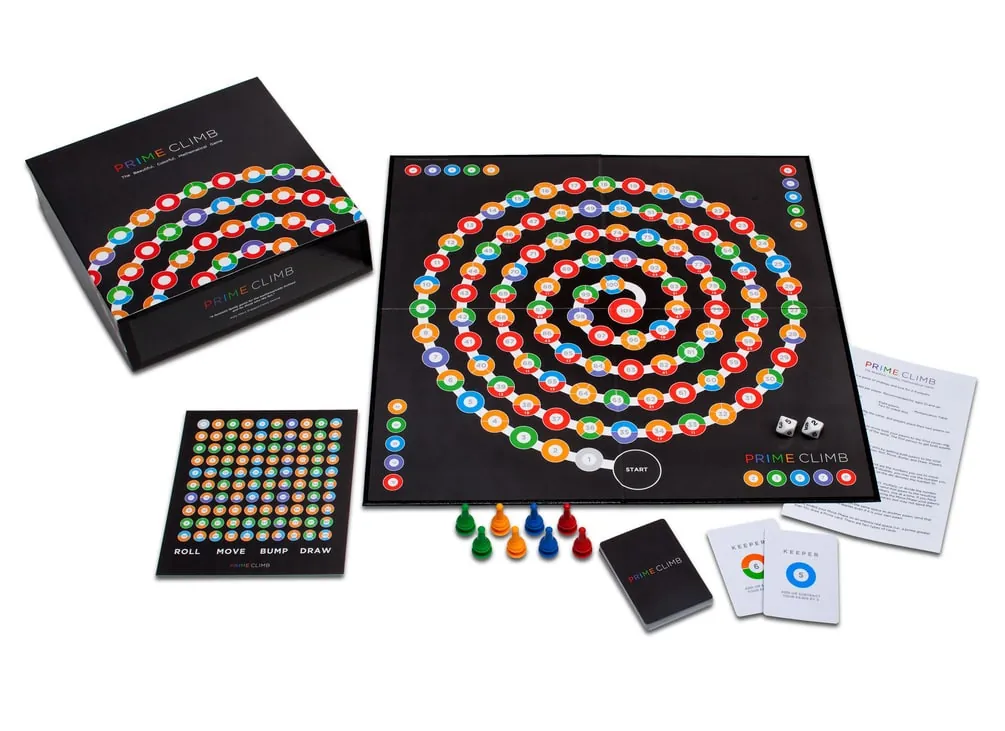
Choosing operations to land on useful squares is real mental arithmetic, with prime factors made visible in colour.
Ages 10-99Board gameMeaningfulness 54/100 · Lowresearch Research-backed
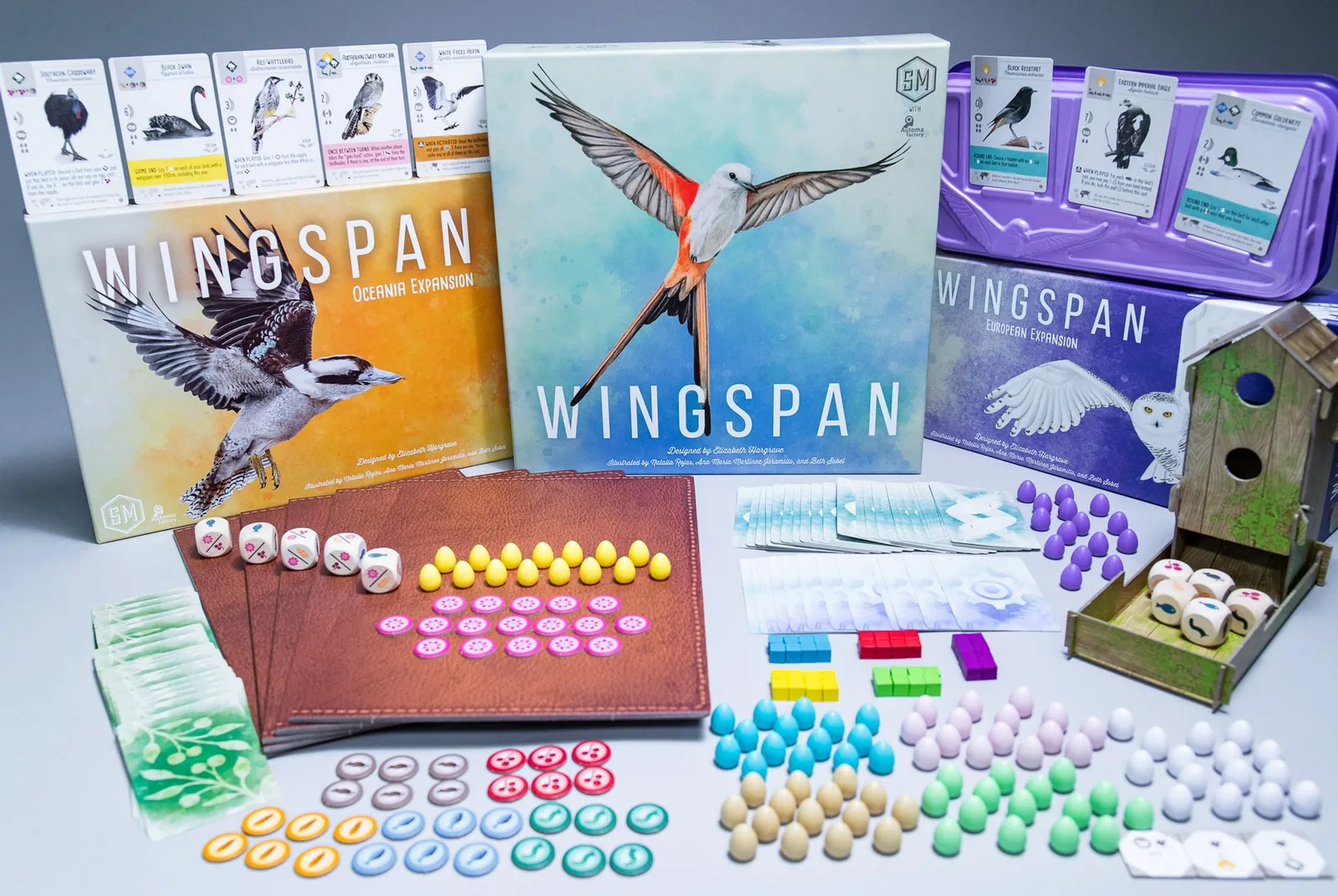
One hundred and seventy real species whose card rules come from their habitat, food and nests; ecology by repetition.
Ages 12-99Board gameMeaningfulness 59/100 · Moderatepractice Practice-backed
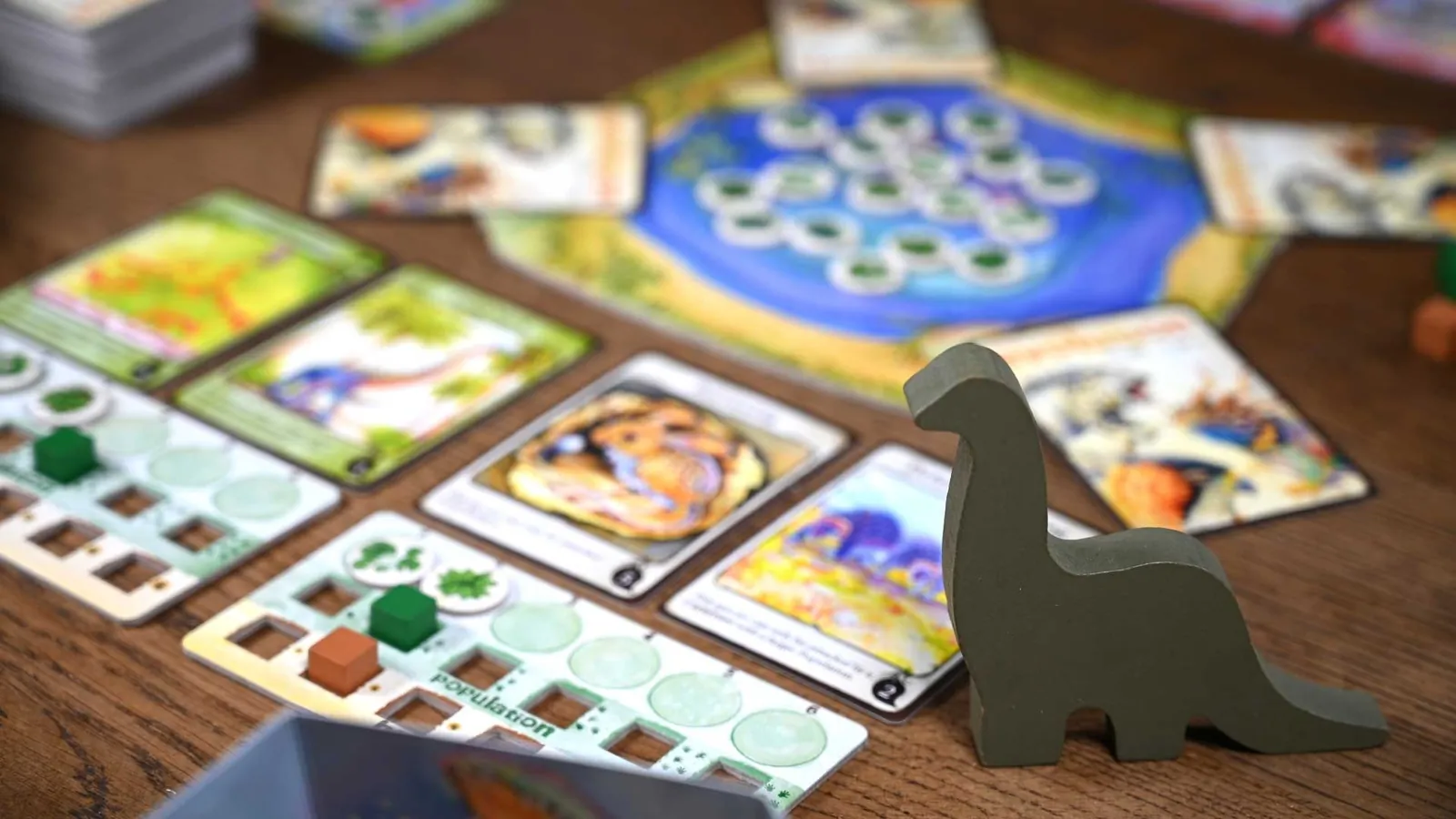
Scarce food and other players' species reproduce selection pressure and arms races as a card game.
Games built for two or more people on one couch, where talking to each other is the way to win.
Genuinely free games: no ads, no chat with strangers and no purchase needed to play the real thing.