What the game is
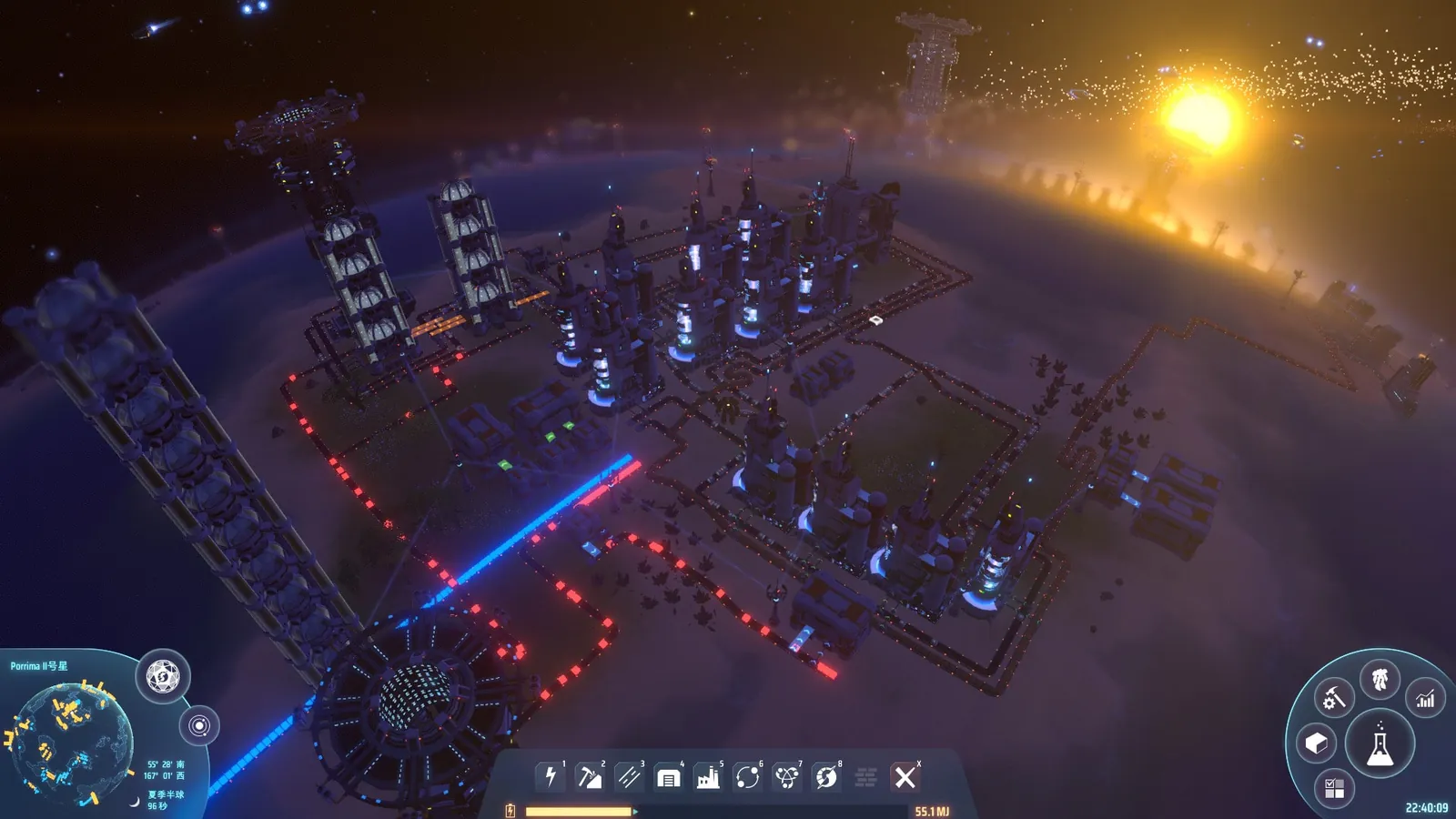
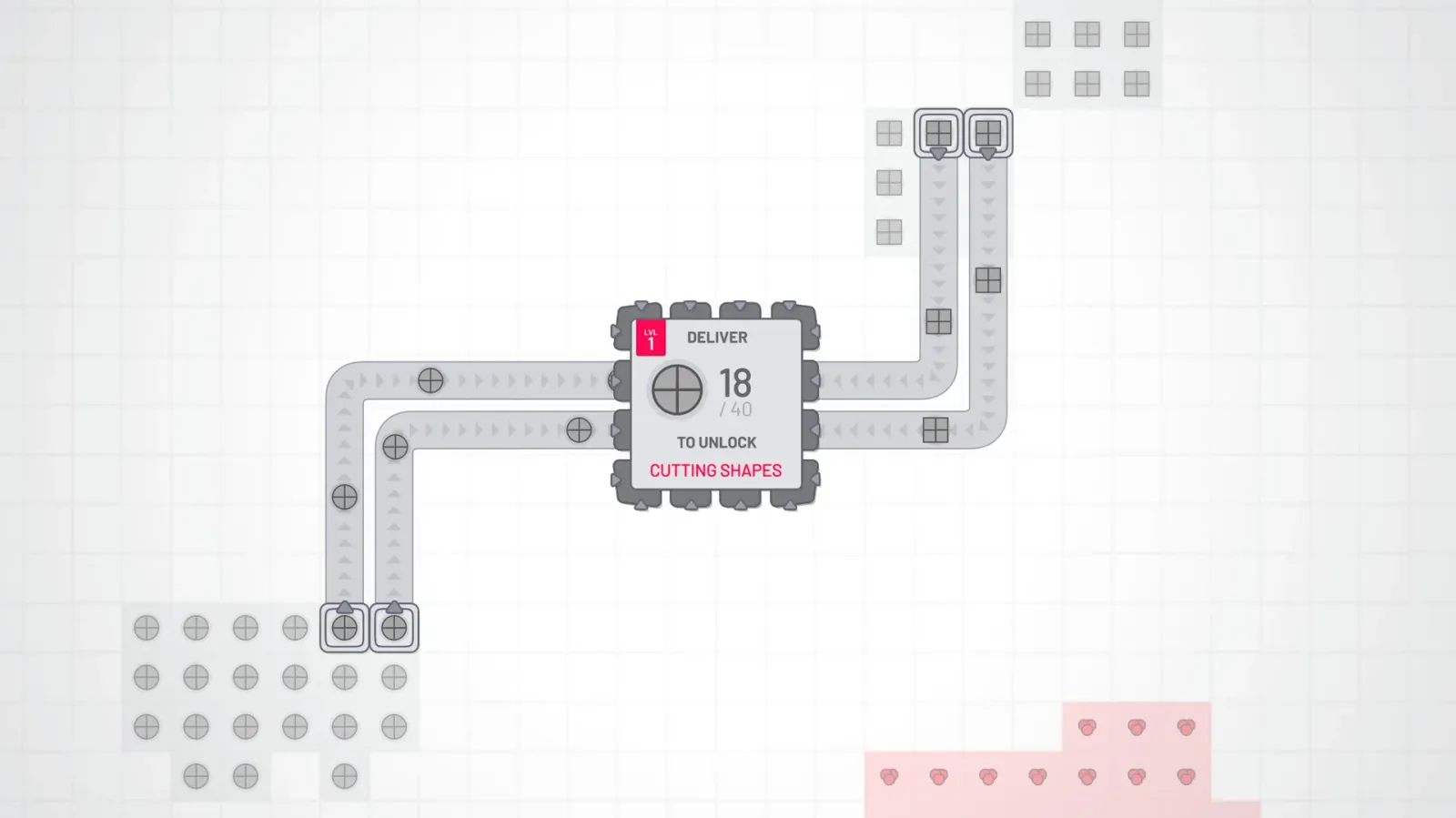
Mindustry is a factory-building game with tower defense bolted onto it, made by the solo developer Anuken and released on Steam in September 2019 for Windows, macOS and Linux at around ten euros. You look down on a rocky map from above, mine ore, and build conveyor belts that carry it to smelters, factories and, above all, to gun turrets that need a steady supply of ammunition to keep firing.
The content is unusually large for a small game: two planetary campaigns, Serpulo and Erekir, with 35 hand-made maps and hundreds of procedurally generated sectors, more than 250 buildable blocks, and over fifty drones, mechs and ships. Research unlocks new blocks, and resources launched from one sector fund the next.
It is also a social game. Up to four players can share a campaign, there are player-versus-player matches, a built-in map editor, Steam Workshop content and a large modding community. In-game chat and online play are listed on the store page. The interface is dense with icons and supports twenty-two languages.
What you actually do
You start with a core, a drill and a handful of copper. You place a drill on an ore patch, run a belt from it to the core, and the numbers start climbing. Then the waves begin. A turret needs ammunition, so a second belt must feed it, which means a second drill, which means power, which means a generator, which needs its own fuel line. Every solution creates a new input to supply.
The pressure comes from doing this while enemies are arriving. You find yourself deciding whether to spend the next minute on a better ammunition chain or on more walls, and whether to branch a belt or build a separate line so one shortage does not starve everything. Getting better looks like designing chains you can extend later instead of ones you have to tear down, and reading a jam back to the bottleneck that caused it.
What it exercises
- Breaks a large production problem into linked stages with inputs and outputs
- Finds the bottleneck in a chain by tracing a shortage back to its source
- Designs a layout that can be expanded later instead of rebuilt from scratch
- Decides what to build next under a time limit and with limited resources
- Coordinates with other players on who supplies what in a shared base
Why we rate it Moderate Worksheet score 57 / 100
FitHow much real knowledge or skill does the play itself make you use?55weight 45%
Fit is scored 55 because the systems reasoning is the entire game: you cannot survive a wave without thinking about throughput, and a mistake in the thinking shows up as a visible jam on the belt rather than an abstract penalty. It sits at the middle of the scale because the materials, factories and defenses are all invented, so the reasoning is real but the subject matter is not.
TransferWill what you practise here work outside the game?42weight 30%
Transfer is scored 42 because throughput, bottlenecks and dependency chains are the same ideas that govern real production and logistics, and a player who has wrestled with a jammed belt has a genuine intuition to draw on. It stops well short of the higher band because nothing here is measured, the domain is fictional, and no study connects the game to any outside skill.
PracticeDoes the game make you use that skill again and again, as it gets harder?80weight 25%
Practice is scored 80 because the same reasoning is exercised in every sector, of which there are hundreds, plus a map editor, community maps and multiplayer that keep extending the loop. It rarely becomes a memorized routine, since each map changes the ore layout and the timing pressure, forcing the supply chain to be redesigned rather than replayed from memory.
What the evidence says
Editorial onlyNobody outside our desk has checked this. It is our reading of how the game plays.
The evidence level is Editorial only. The Steam store page confirms the developer, the release date, the price, the two campaigns, the sector and block counts, the co-op and player-versus-player modes, the map editor and the presence of in-game chat. Nothing beyond that is established: no study of Mindustry exists in the sources checked, and none on factory games generally. The very high Steam approval rating shows players enjoy it, which is a separate question from what they take away. The claim that it exercises systems decomposition comes from reading the mechanics, where a supply chain is drawn directly on the map, not from any measured result.