What the game is
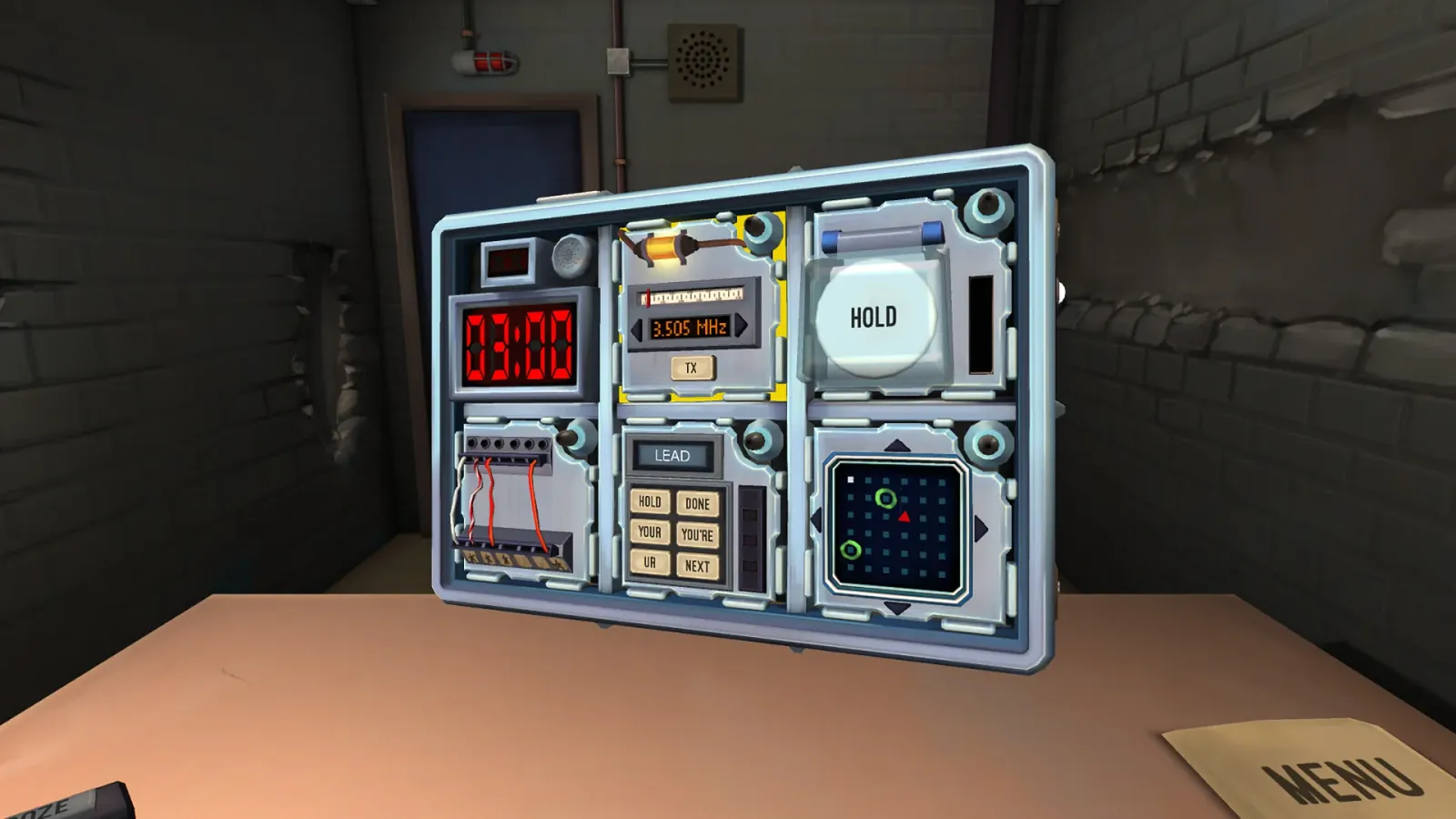
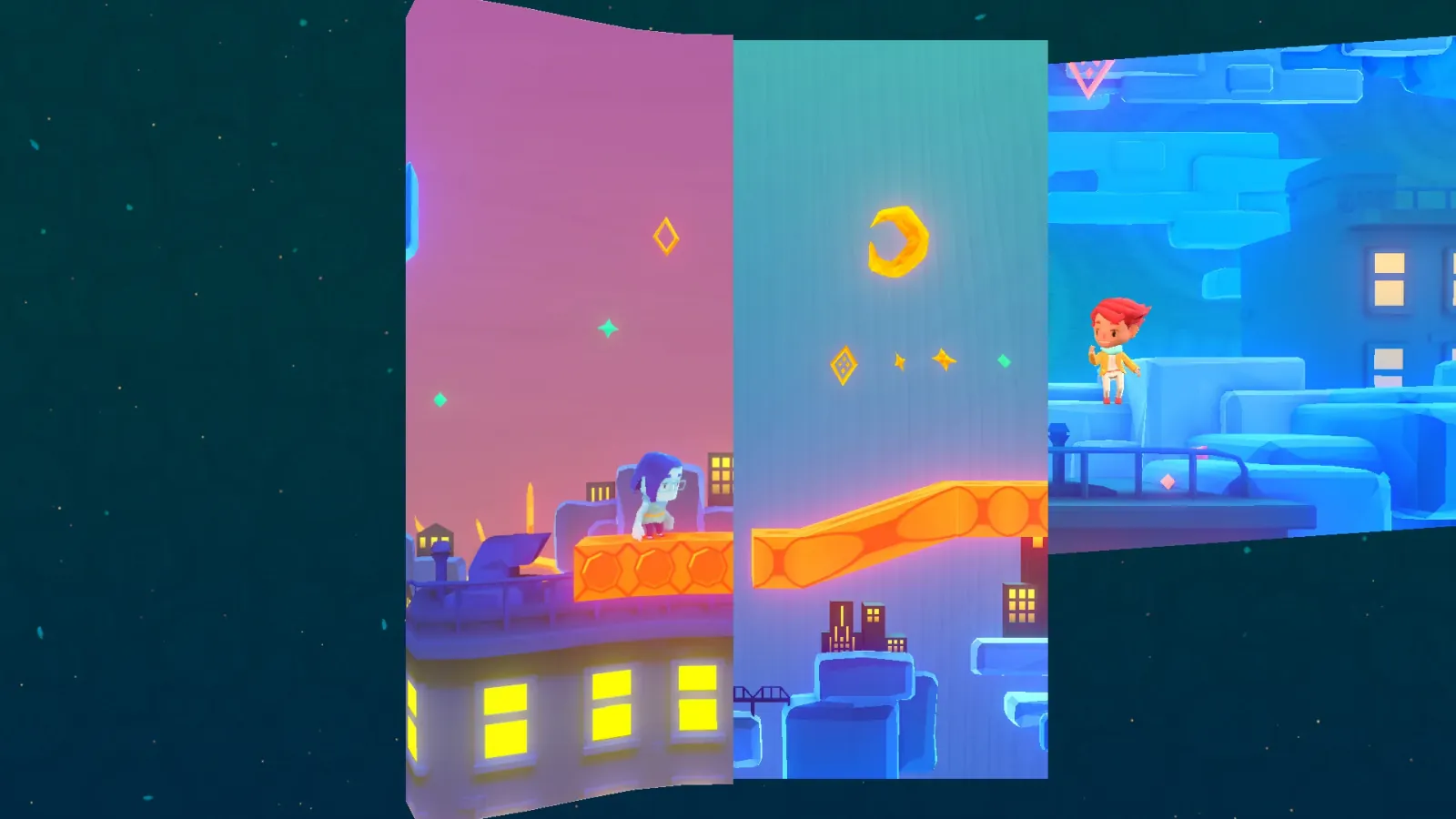
Tick Tock: A Tale for Two is a co-operative puzzle game by the studio Other Tales Interactive, released in 2019. It cannot be played alone. Two people each need a device, and each device shows a different version of the same clockmaker's world: hand-drawn, wooden, full of cuckoo clocks, cogs and locked cabinets.
The catch is that neither screen holds a complete puzzle. One player finds a dial with four symbols on it and no idea what they mean. The other finds a note explaining the symbols but has no dial. Nothing is shared automatically. The only channel between the two halves is the two people talking.
The official support page confirms the setup: PC, Mac, iOS and Android, with cross-play between them, so a phone can partner a laptop. Players in the same room just talk; players apart need voice chat over whatever they already use. It is a short game, an evening rather than a campaign, and the story is told in fragments that only make sense once both players compare what they saw.
What you actually do
The loop is describe, listen, and check. You read out what is on your screen. Your partner says that does not match anything they have, so you describe it differently: not just four symbols, but a bird, a moon, a key and a bell, in that order, clockwise from the top. Somewhere in the retelling one of you notices the connection, and a cabinet opens on one screen because of something the other person read.
Difficulty rises by making the descriptions harder to give: shapes with no obvious names, sequences that must be timed together, information that is only true on one side. Getting better looks like better language. Pairs stop saying that thing and start saying the third symbol from the left, and stop guessing when they should be asking a question.
What it exercises
- Describes something precisely enough for someone who cannot see it
- Asks a clarifying question instead of guessing
- Listens for the detail in a partner's description that changes the answer
- Builds a shared vocabulary for objects on the fly
Why we rate it Minimal Worksheet score 32 / 100
FitHow much real knowledge or skill does the play itself make you use?35weight 45%
Thirty-five. The game withholds half of every puzzle from each player, so there is no way to progress except by explaining clearly and listening carefully, which is a real communication demand. It settles in the general-soft-skill range rather than higher because communication itself, not any subject matter, is the entire content of the puzzles, dressed in a fairy-tale setting that carries nothing on its own.
TransferWill what you practise here work outside the game?32weight 30%
Thirty-two. Describing something a listener cannot see, and asking rather than assuming, are the same moves used in giving directions or reporting a problem, and that is a real, general skill. It sits low in the range because the game is short, so the practice is intense but brief, and the vocabulary built is specific to its own puzzles rather than anything a player takes elsewhere.
PracticeDoes the game make you use that skill again and again, as it gets harder?25weight 25%
Twenty-five, among the weakest scores here. Inside its short run the describe-and-compare task repeats constantly, but the whole experience is only an hour or two, and once a pair has finished they know every answer, leaving almost no reason to return except with an entirely different partner. There is simply not much game here to practice anything in.
What the evidence says
Editorial onlyNobody outside our desk has checked this. It is our reading of how the game plays.
The level is Editorial only, our judgment about the design. The sources on file, the Steam listing and the developer's own support page, confirm two players on two separate devices, cross-play across PC, Mac, iOS and Android, and a requirement for voice chat when the players are not in the same room. Neither source measures anything about communication skills. There is a research literature on collaborative problem solving in general, but none of it studies this game, and none is cited here.