

Free games worth your time
Genuinely free games: no ads, no chat with strangers and no purchase needed to play the real thing.
Editorial collection18 gamesFrom age 6Compiled Sep 2026
A game teaches science or maths well when the idea is the thing you manipulate: the block you slice, the bridge that buckles, the orbit that misses. Every pick here passes that test, from a fraction puzzle for six-year-olds to protein folding that has contributed to published research.
Ages 6-9MobileMeaningfulness 70/100 · Highresearch Research-backed
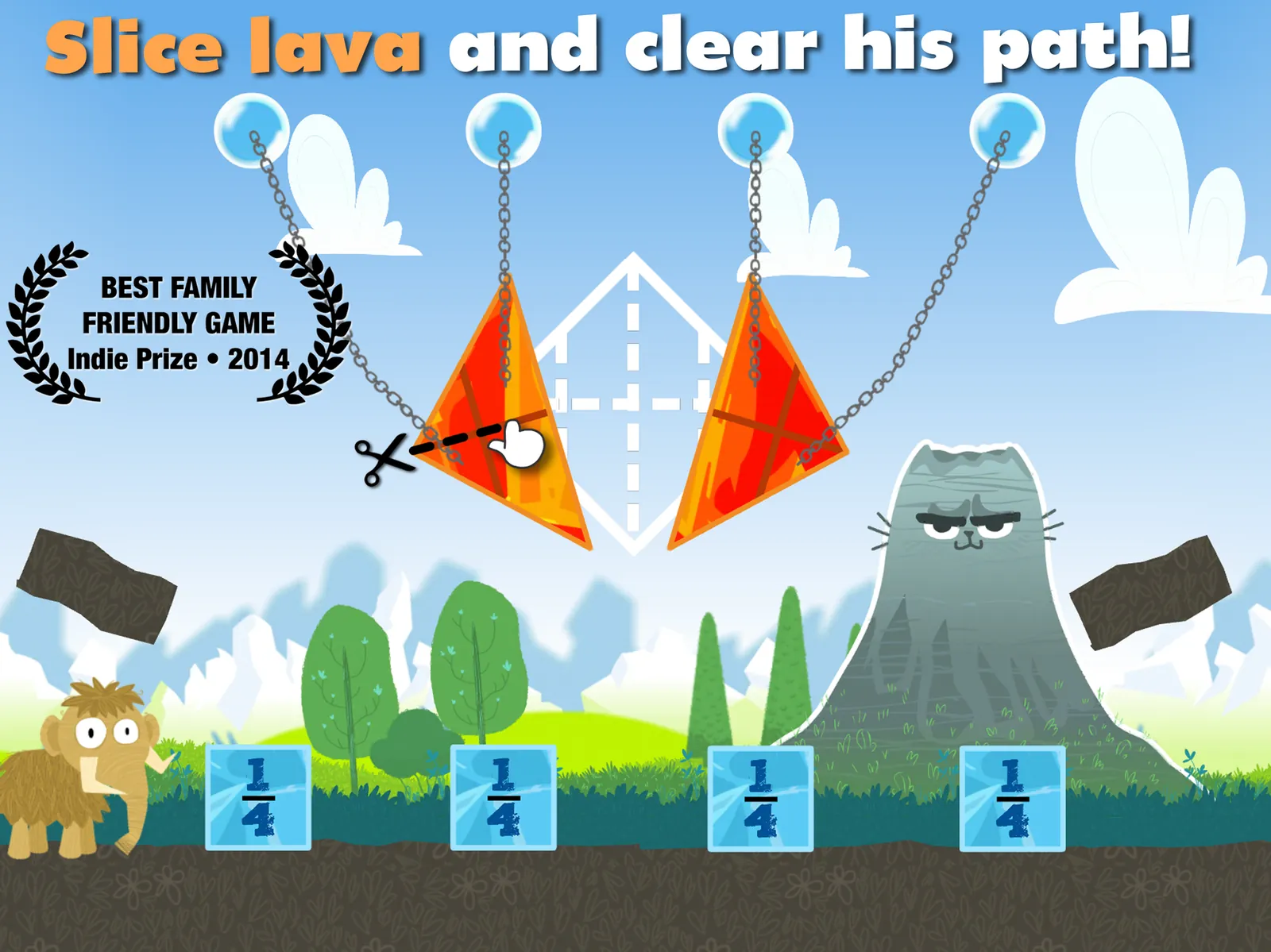
Cutting ice into equal parts is the puzzle move, so part-whole reasoning is practised before any symbols appear.
Ages 8+ · ESRB EPC, Console, MobileMeaningfulness 40/100 · Loweditorial Editorial only
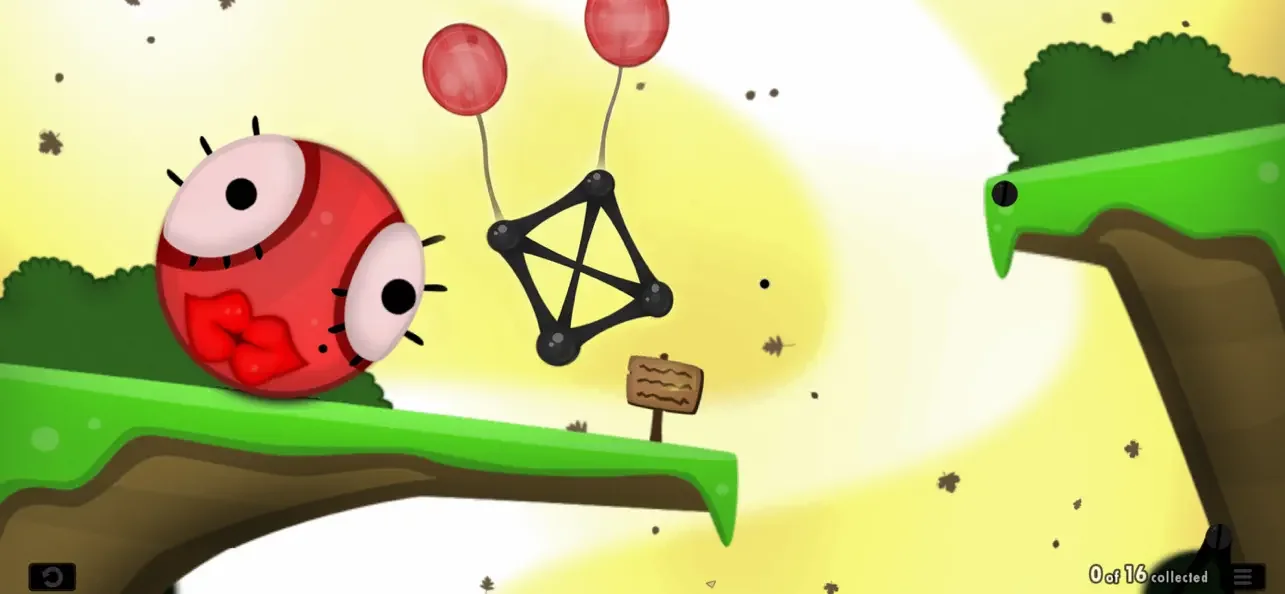
Every tower is a structure under load: a leaning one shows why triangles hold and squares do not.
Ages 8+PC, ConsoleMeaningfulness 53/100 · Loweditorial Editorial only
Bridges are designed, stress-tested and rebuilt within a budget, which turns trial and error into an engineering habit.
Ages 8+PC, MobileMeaningfulness 64/100 · Moderateresearch Research-backed
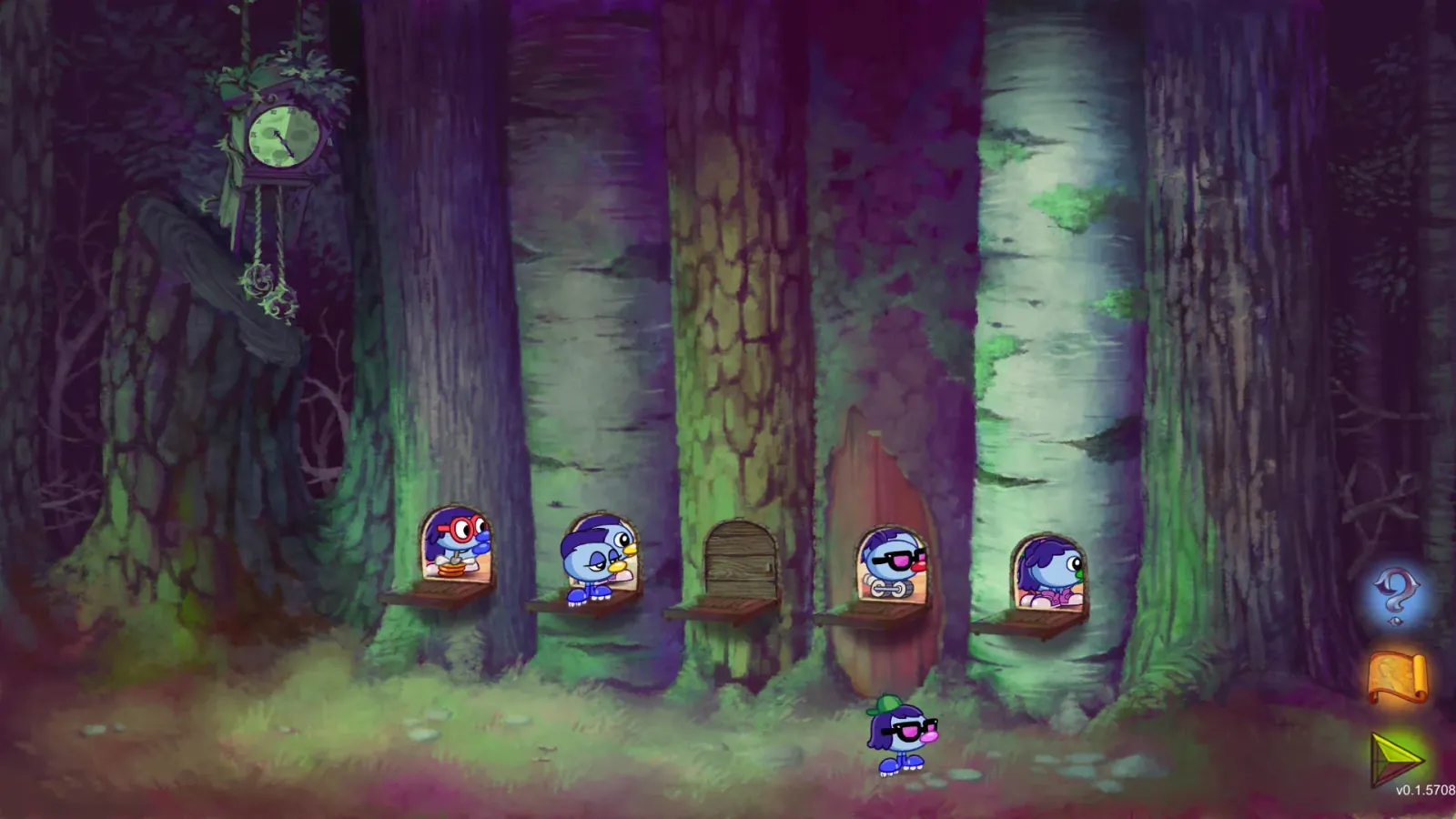
Classification, set logic and inference puzzles that have been used in classrooms for decades.
Ages 8+Board gameMeaningfulness 55/100 · Moderateeditorial Editorial only
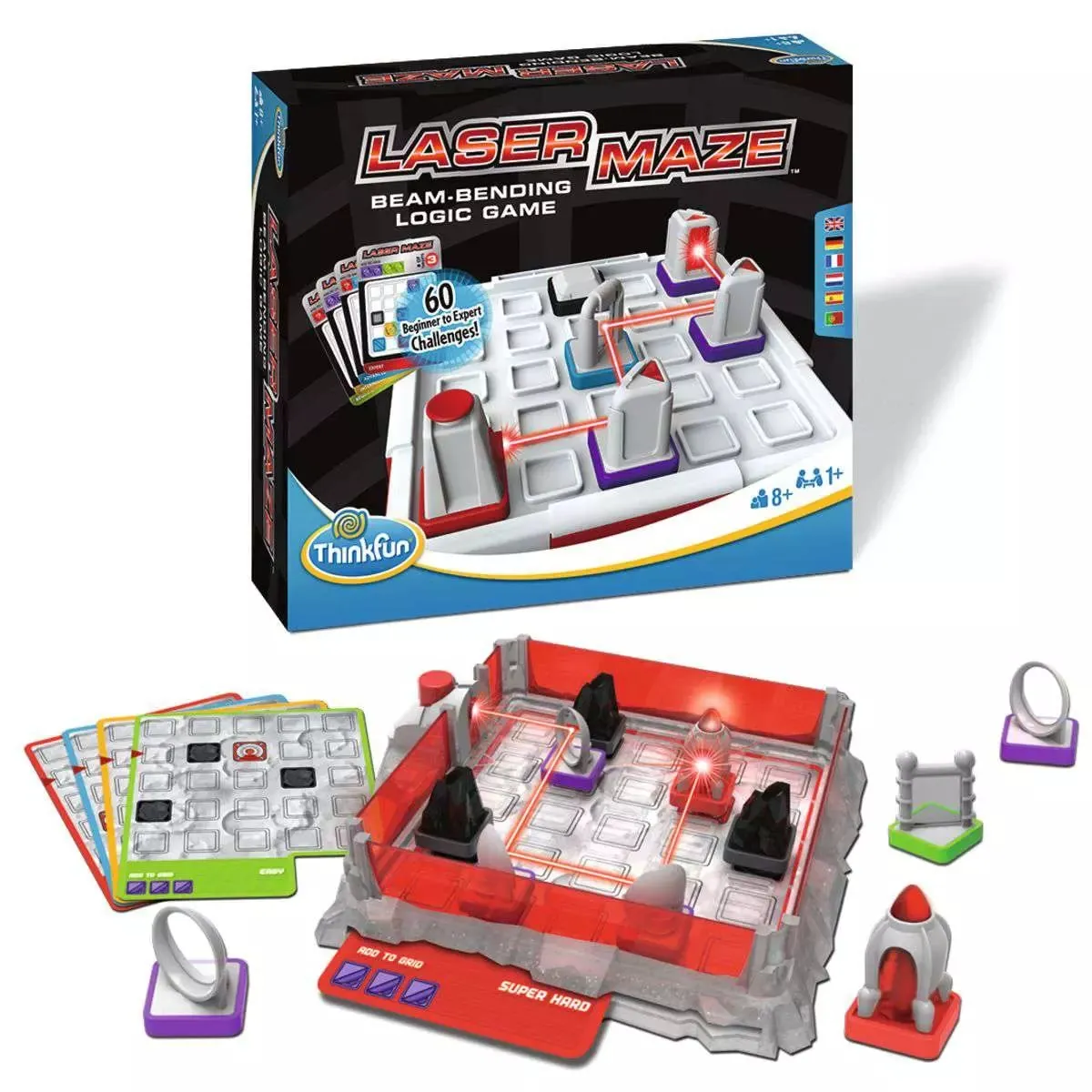
A real laser bounces off mirrors you place, so reflection is something a child aims rather than reads about.
Ages 8+Board gameMeaningfulness 59/100 · Moderateeditorial Editorial only
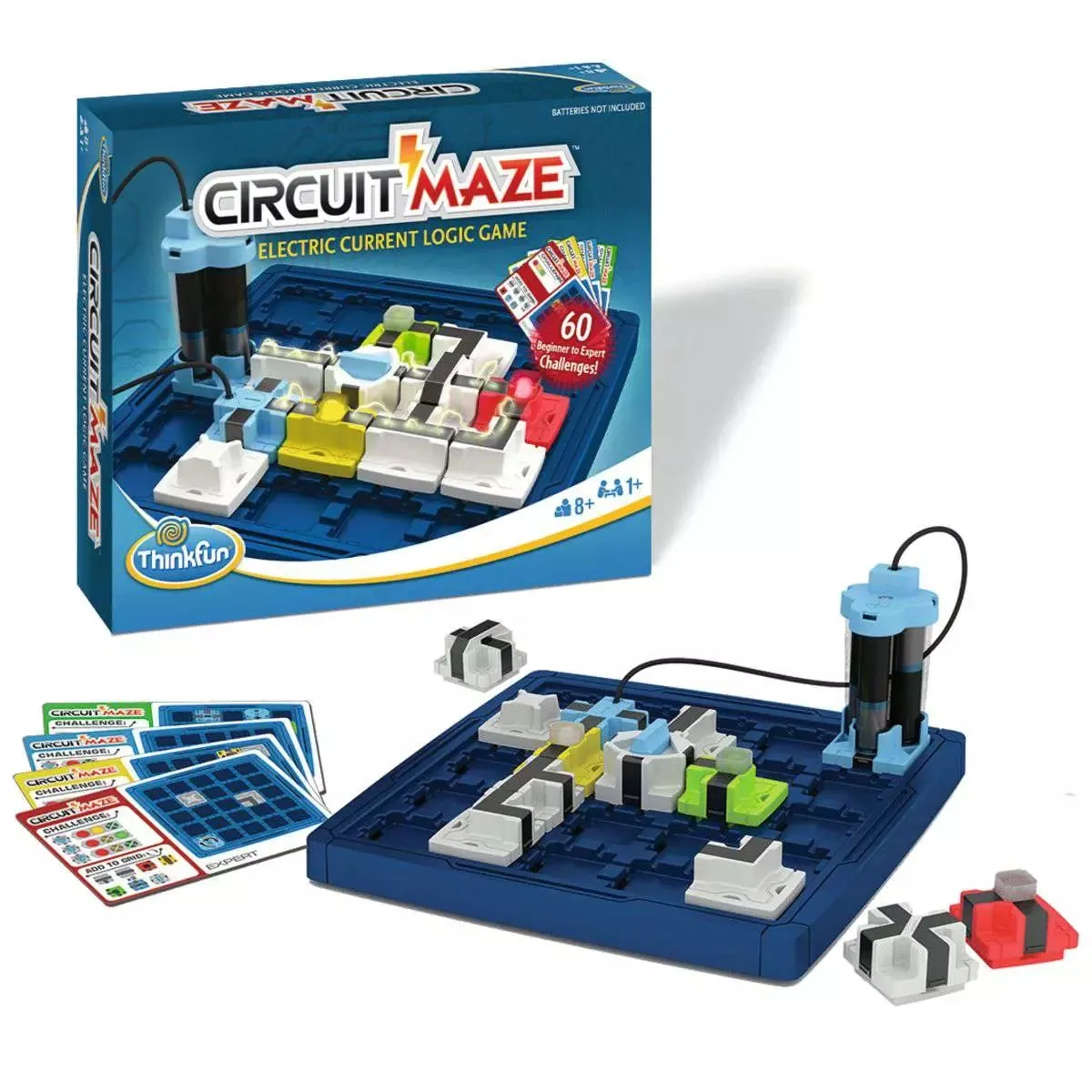
The beacons only light when the loop is complete, which makes the first rule of electricity impossible to fake.
Ages 8+PCMeaningfulness 53/100 · Loweditorial Editorial only
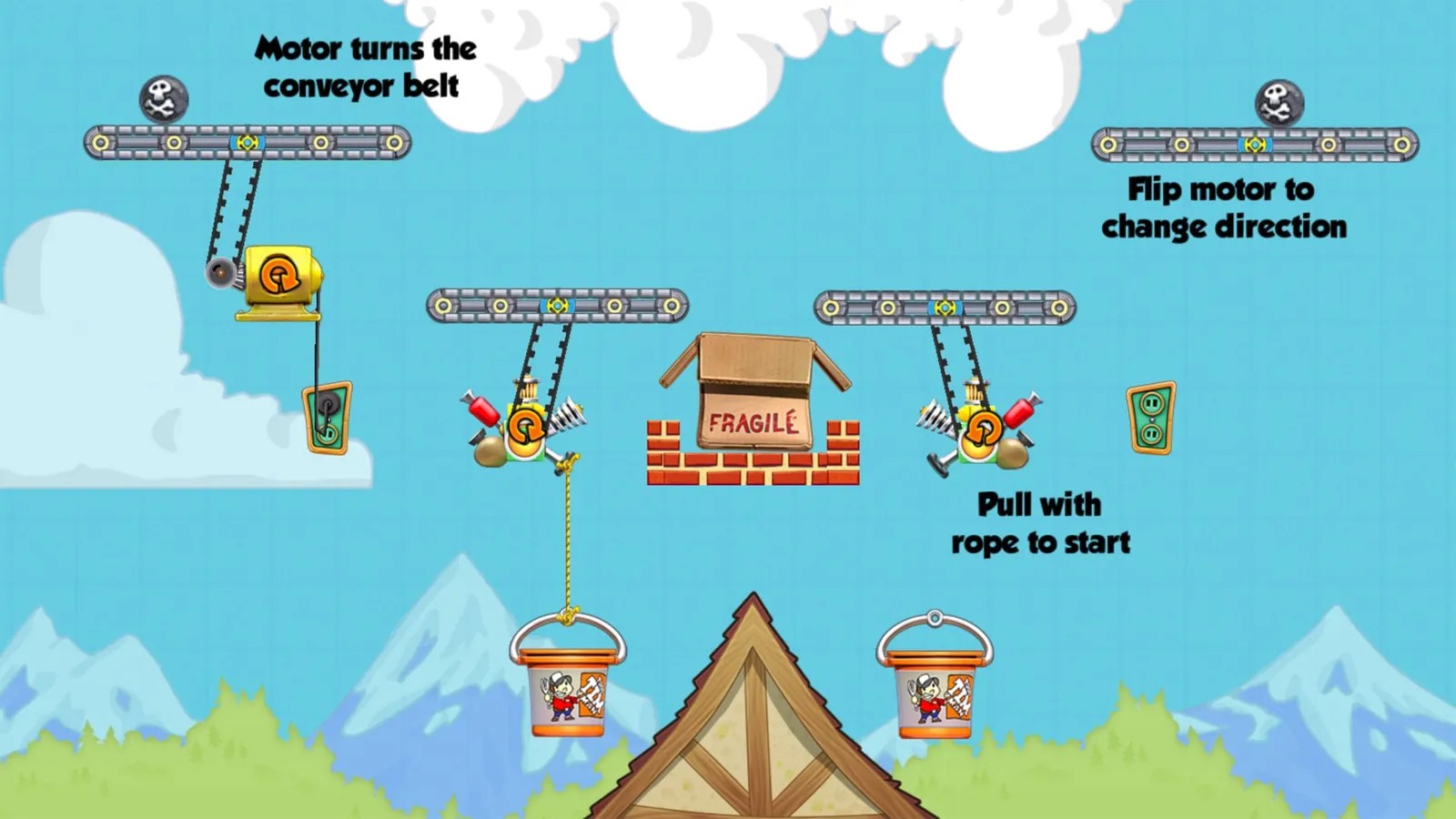
Chain reactions built part by part from the designer of The Incredible Machine, and short enough for one sitting.
Ages 10+ · ESRB E10+PC, Console, MobileMeaningfulness 50/100 · Loweditorial Editorial only
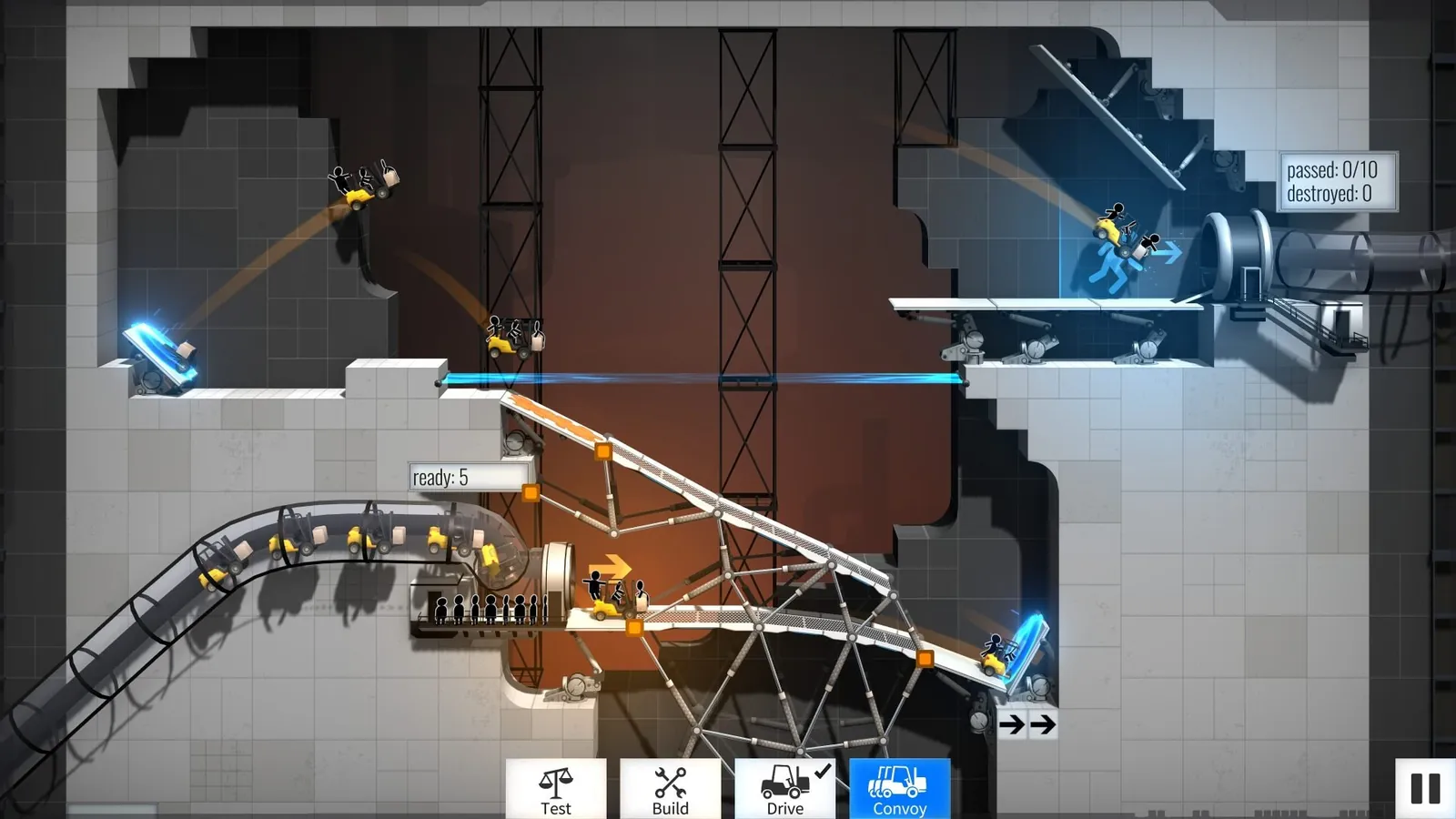
Beams redden as load builds, so you can see where a bridge is about to fail before it does.
Ages 10+ · ESRB E10+PC, Console, MobileMeaningfulness 76/100 · Higheditorial Editorial only
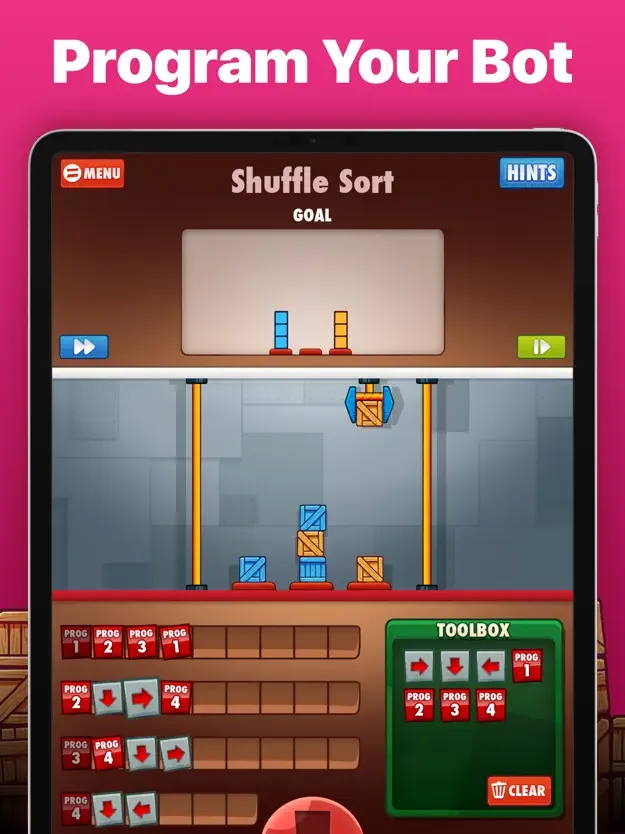
Instructions, loops and jumps written as tiny office programs: the clearest introduction to algorithms we know.
Ages 10+PCMeaningfulness 66/100 · Moderatepractice Practice-backed
Drop a second sun into the solar system and watch what gravity does; a physics sandbox that rewards questions.
Ages 10+ · ESRB EPC, ConsoleMeaningfulness 87/100 · Exceptionalpractice Practice-backed
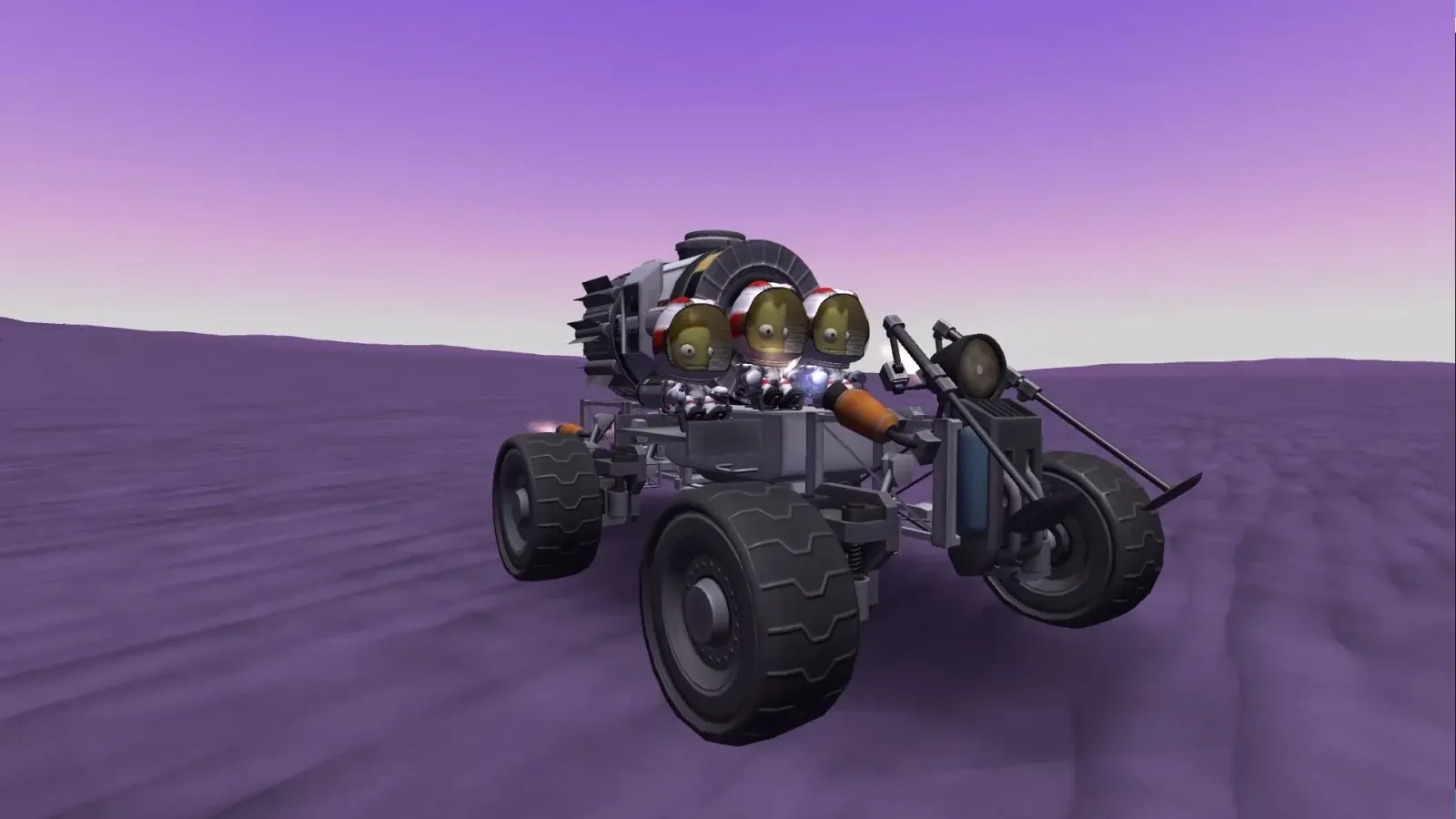
Thrust, mass, staging and orbital mechanics are learned by building rockets that fail in instructive ways.
Ages 12+Mobile, PC, WebMeaningfulness 86/100 · Exceptionaleditorial Editorial only
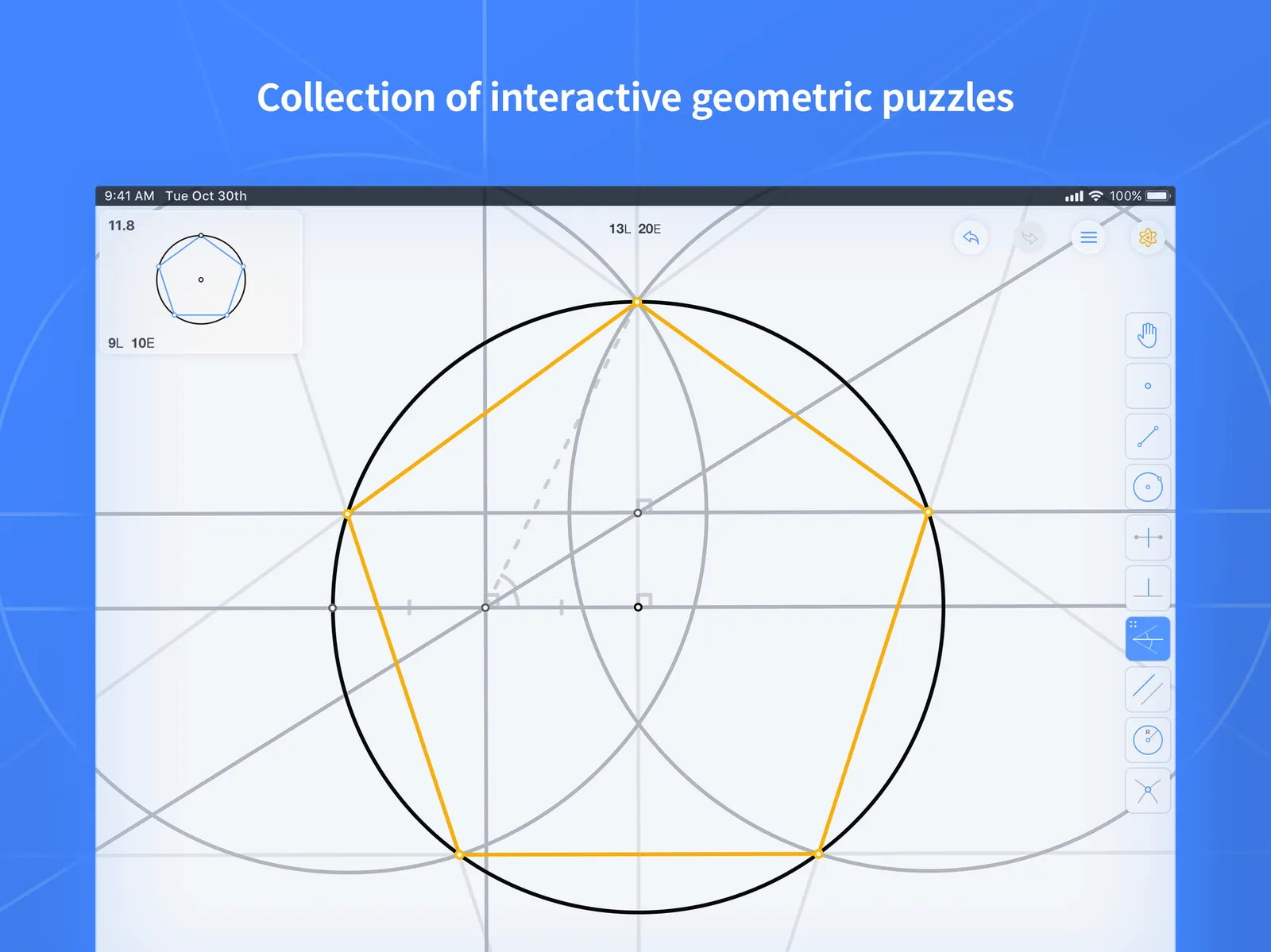
Classical geometry as a puzzle: constructions have to work, and the move count pushes toward proof-like elegance.
Ages 12+Mobile, PCMeaningfulness 81/100 · Higheditorial Editorial only
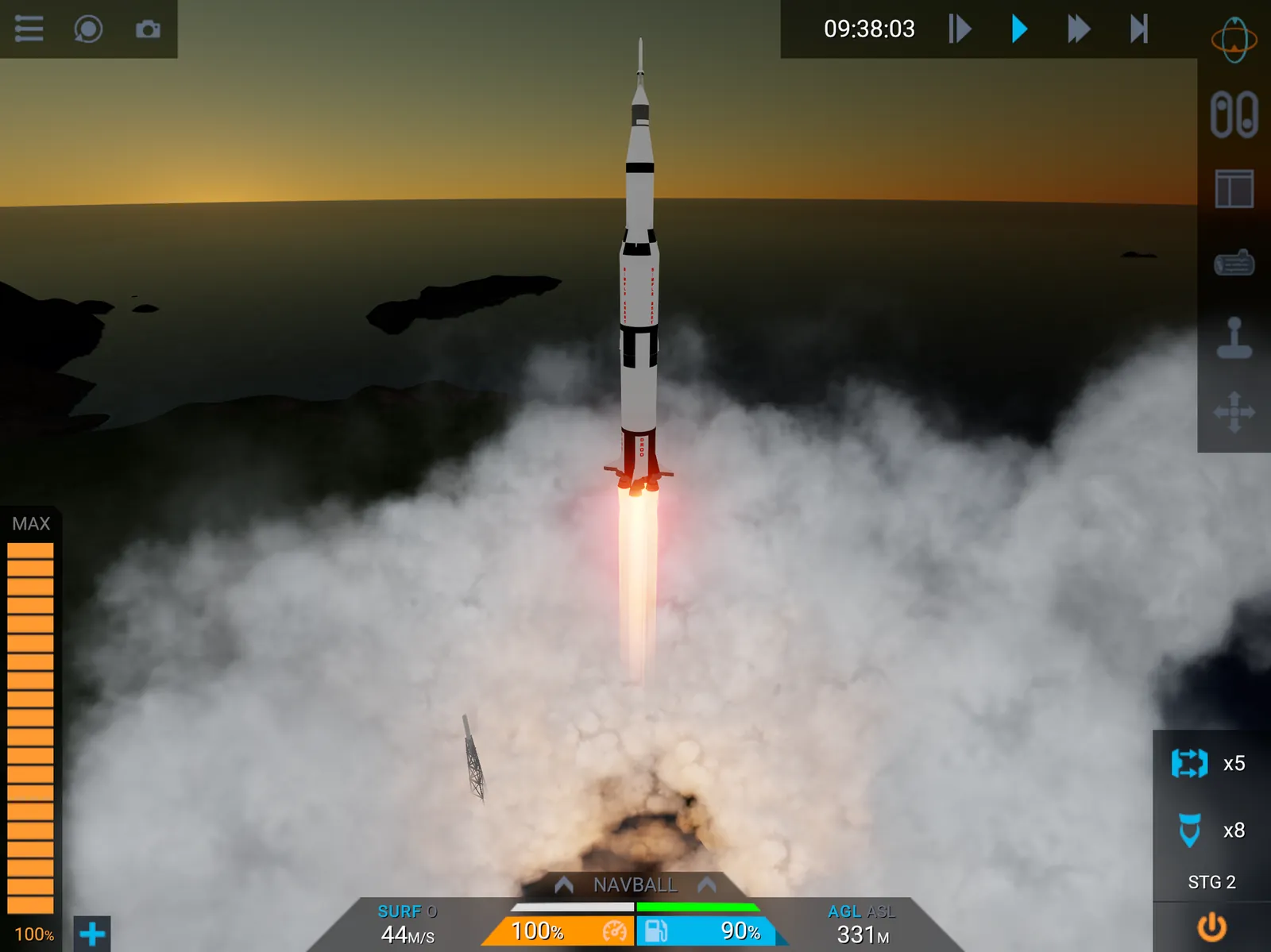
Rocket and plane building with real orbital mechanics, on a phone; a heavy craft simply does not reach orbit.
Ages 12+PCMeaningfulness 66/100 · Moderateeditorial Editorial only
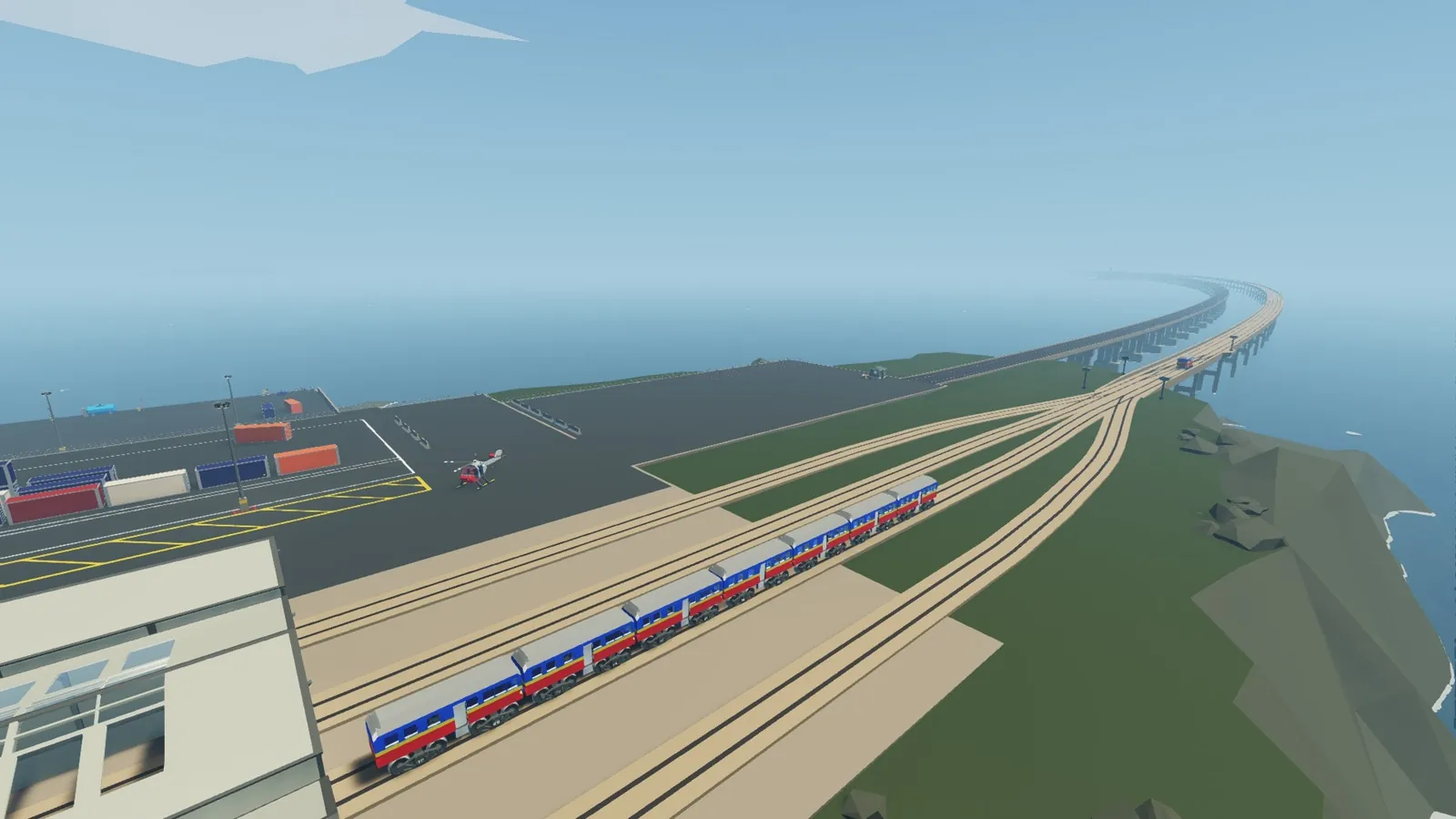
Engines need fuel, air and cooling; a vehicle that skips one of them simply will not run.
Ages 12+PC, ConsoleMeaningfulness 52/100 · Lowpractice Practice-backed
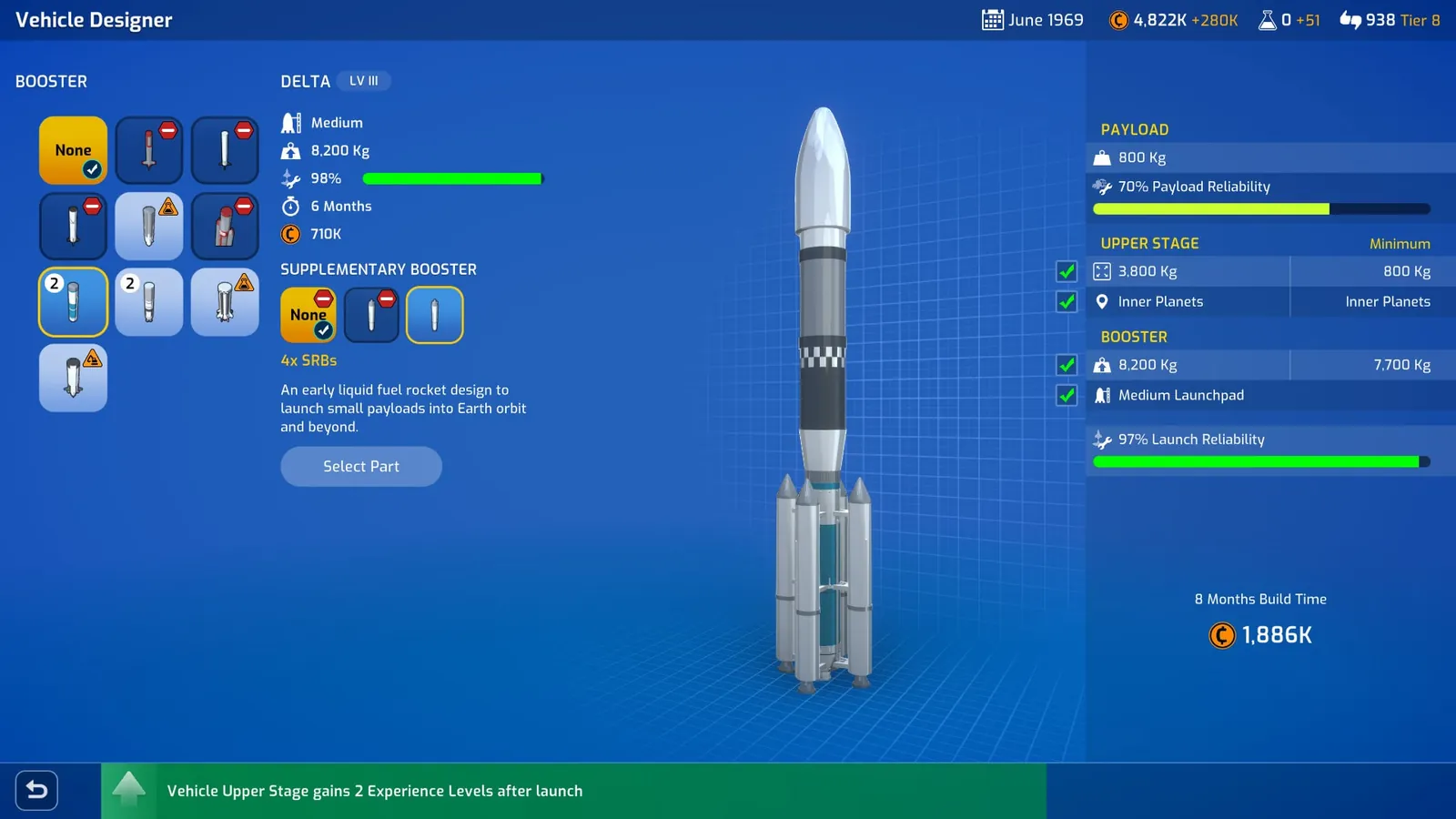
Payload against launch capacity, reliability against schedule: real space-programme trade-offs, built with agency input.
Ages 13+PCMeaningfulness 66/100 · Moderateeditorial Editorial only
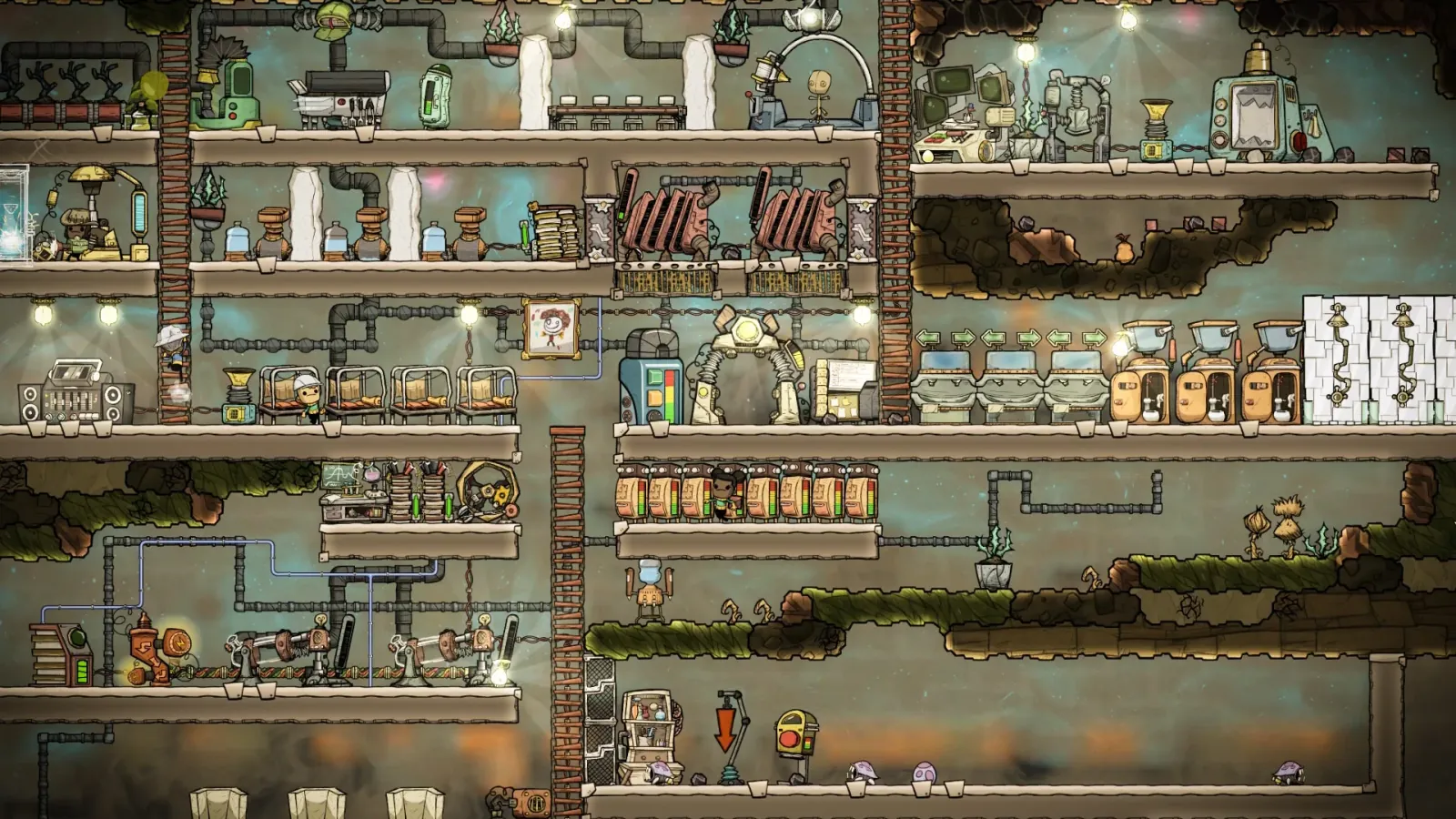
Heat, gas pressure and plumbing interact in a colony that fails in cascades, so systems thinking becomes survival.
Ages 13+PC, WebMeaningfulness 85/100 · Exceptionalresearch Research-backed
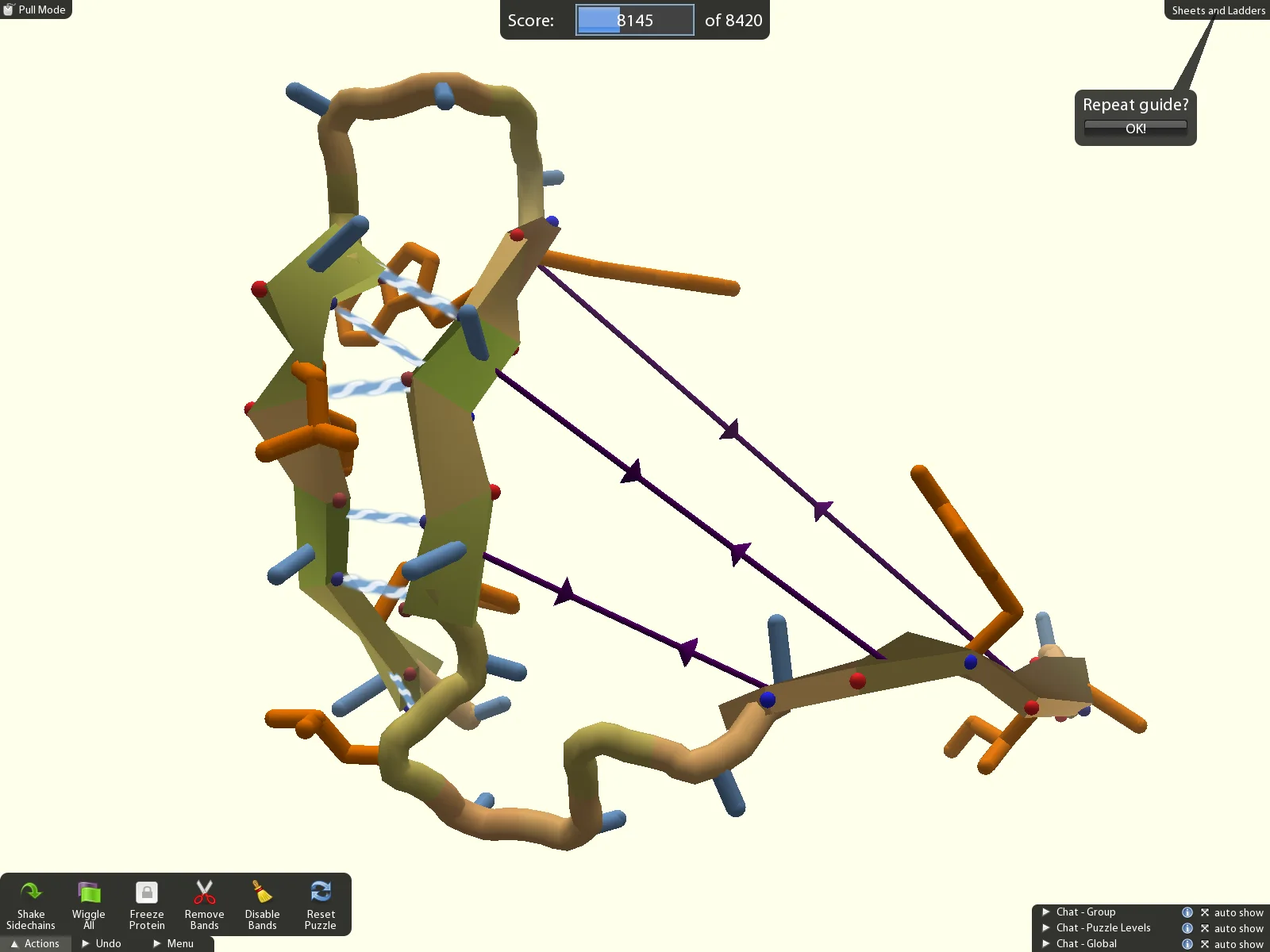
Protein-folding puzzles whose player solutions have appeared in scientific papers; the science is the game.
Ages 13+Web, MobileMeaningfulness 85/100 · Exceptionalresearch Research-backed
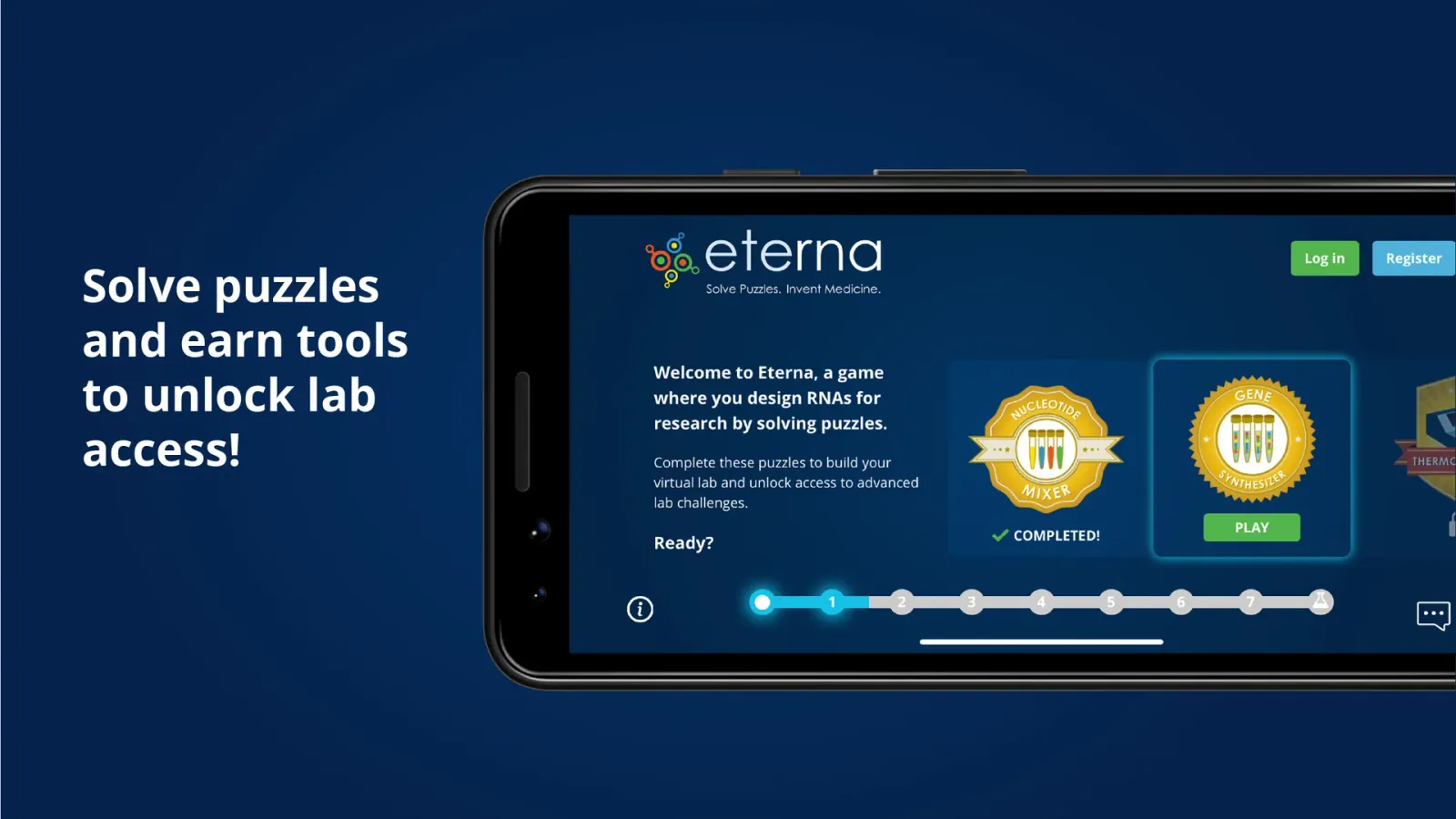
RNA design puzzles that feed real laboratory synthesis, with the research contribution documented.
Genuinely free games: no ads, no chat with strangers and no purchase needed to play the real thing.
Twelve gentle first games for early readers: pretend play, building, spatial puzzles and a first taste of logic games.