Children pick a favourite show and play short games: building a boat with Daniel Tiger, laying track in Alma's train game, running a marble run with Carl the Collector, making toys with the Work It Out Wombats, and hundreds more sorted into themes such as Build It; each game lasts a few minutes and gives spoken instructions.
Why it may be useful
PBS requires explicit, developmentally appropriate learning goals on every production, so the best games here put real skills like sorting and cause and effect inside the play itself. Quality varies widely across hundreds of titles, so which games your child settles into matters.
Keep in mind
Quality varies sharply across hundreds of titles, and the show-based layout steers children toward familiar characters rather than toward the best games.
Written 2026-09-15 · editorial assessment, not a measured effect · how we rate →
What the game is
PBS KIDS Games is not one game but a hub of several hundred short ones, playable free in a browser at pbskids.org and as a free app on iPhone, iPad and Android. There is no account, no advertising and nothing to buy, and the app can be downloaded for offline play. The App Store listing counts more than 280 games in the app and lists English and Spanish.
Games are grouped by television show and by theme, and almost all of them are narrated, so a child who cannot read yet can start one alone. A single game runs a few minutes and can be replayed immediately. Nothing is locked behind progress, no score is carried between sessions, and nothing pulls a child on to the next thing, which is unusual and welcome.
The reason this entry scores as well as it does sits behind the games rather than in them. PBS publishes editorial standards requiring every children's production to have explicit, developmentally appropriate learning goals and early-childhood education advisors attached, and it publishes the learning frameworks its producers work from.
What you actually do
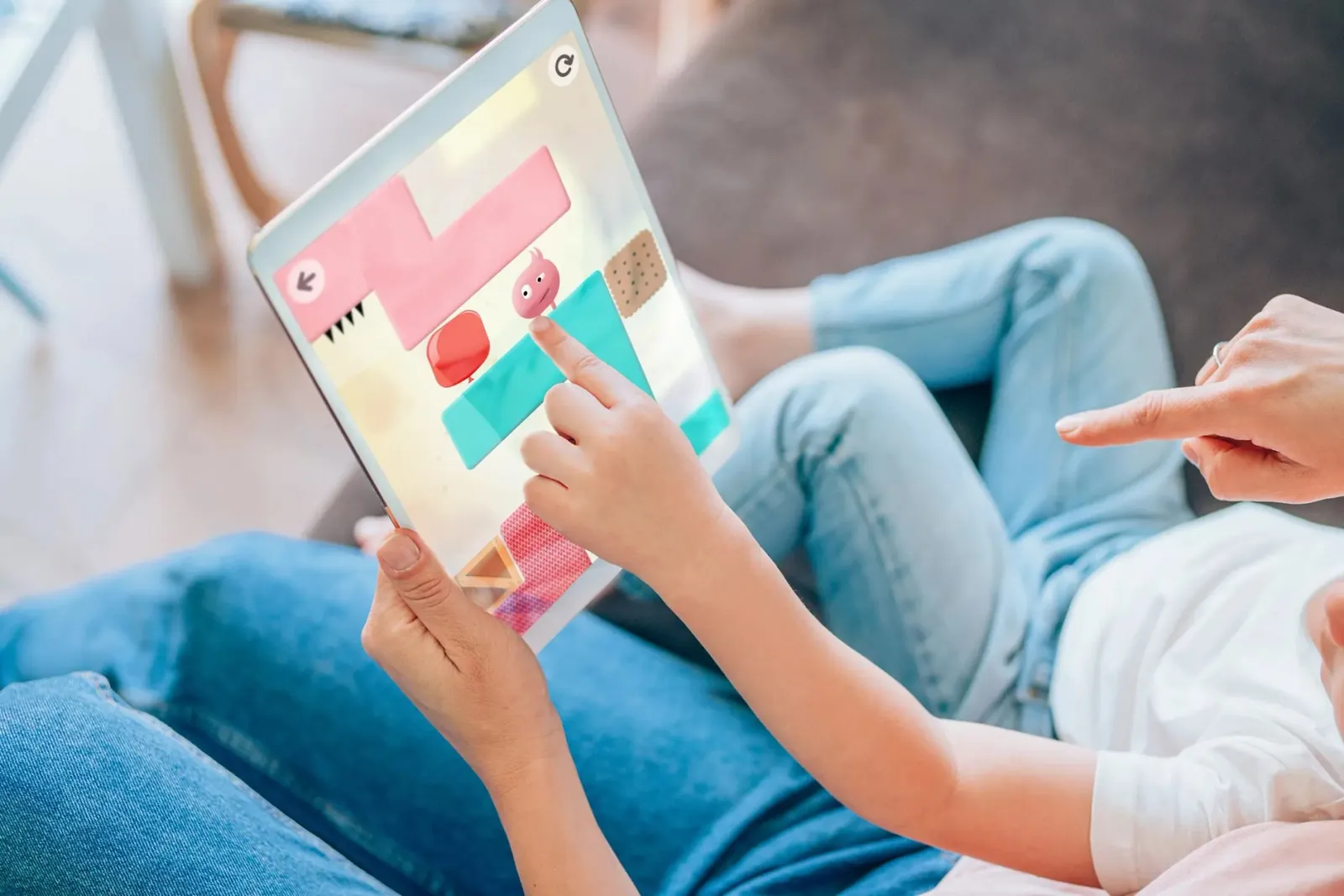
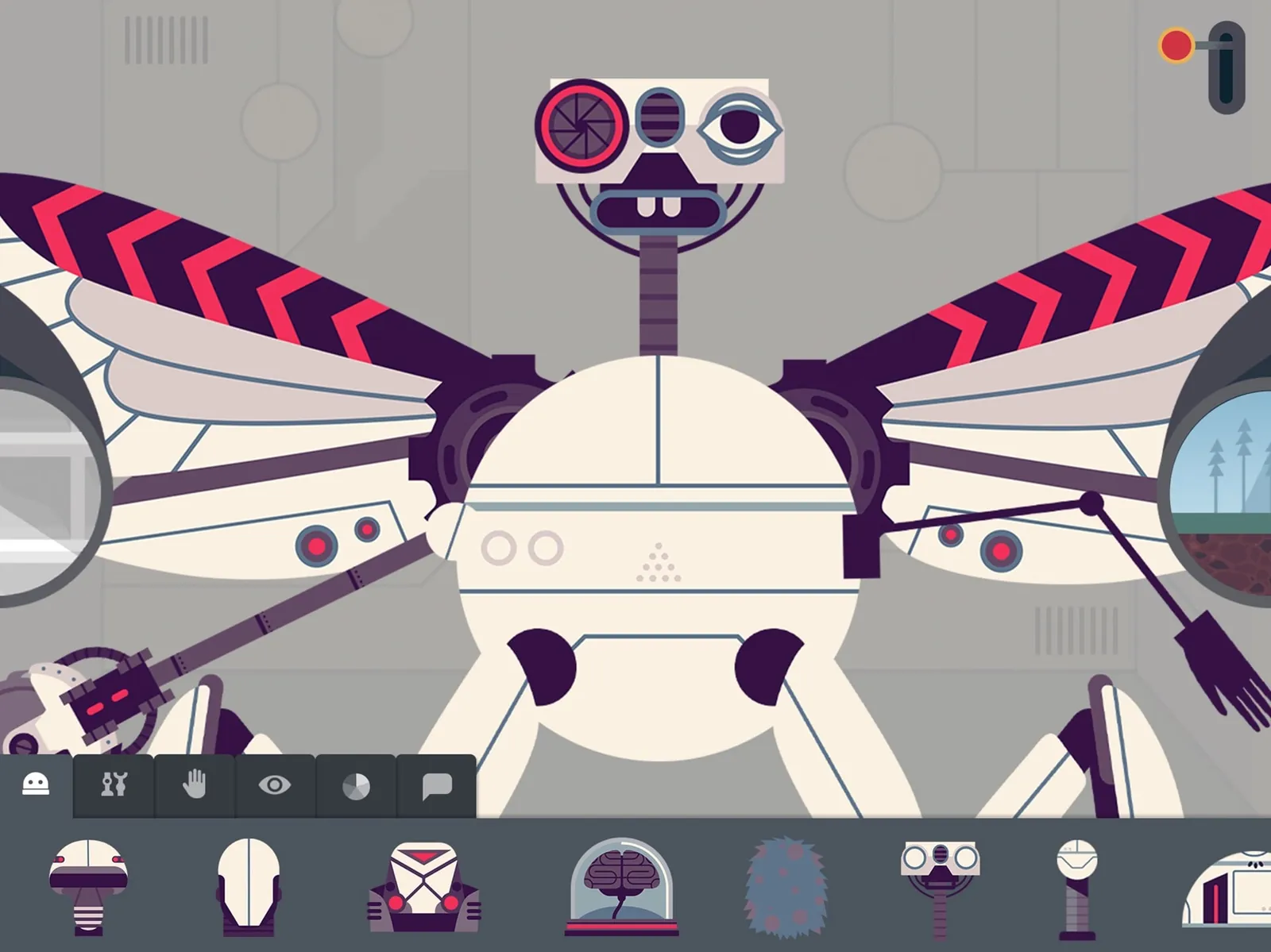
A child taps a character they recognise, picks a game, and hears an instruction spoken aloud. What follows is small and physical: drag parts together and find out whether the boat floats, lay track so a train reaches the station, sort creatures by a shared feature, send a marble down a run and watch where it falls. Most games end in a minute or two with something happening on screen, and then offer another go. The better ones let a child try an arrangement, see it fail visibly, and change one part. The weaker ones ask a question and wait for the right answer, which is a different and much thinner activity.
What it exercises
Follows a spoken two-step instruction with no reading involved
Tries an arrangement, watches it fail, and changes one part
Sorts and matches objects by a stated feature
Uses a mouse or a touchscreen with intention rather than at random
Notices a simple cause and effect on screen
Why we rate it Moderate Worksheet score 61 / 100
FitHow much real knowledge or skill does the play itself make you use?60weight 45%
Fit reaches 60. The best titles here put the thinking inside the doing, so a child building a boat is genuinely testing what floats. But several hundred games sit under one entry and a fair number are quizzes with a familiar character on top, where the only skill is answering correctly.
TransferWill what you practise here work outside the game?60weight 30%
Transfer also reaches 60. Sorting, sequencing and simple cause and effect appear in early classrooms, and PBS designs these games against published goals of exactly that kind, which is unusually well documented for a free games hub. What holds the number down is scale: a few minutes of tapping is a small intervention, and nothing here tracks what a child carries off the screen.
PracticeDoes the game make you use that skill again and again, as it gets harder?65weight 25%
Practice reaches 65. Games are short and instantly repeatable, and a child who likes one will play it dozens of times, which is a lot of practice. The same fact is the drawback: it will be the same game dozens of times, rehearsing one narrow skill rather than a spread of them.
What the evidence says
Practice-backedNo published study, but people who answer for the outcome use it: schools, clinics, museums, research labs.
The level is Practice-backed and rests on documented expert involvement in the design, not a measured outcome. PBS publishes children's content standards requiring explicit learning goals and early-childhood education advisors on every production, and PBS KIDS publishes both its learning frameworks and its Ready To Learn research collection. That establishes who shaped these games and against what goals. It does not establish what any individual game achieves, and no outcome study of these specific games is cited. The American Academy of Pediatrics policy statement is cited only for its point about advertising and young children.
Editorial assessment - not a measured scientific effect.
Fit
60/100
Transfer
60/100
Practice
65/100
Why it makes the cut
The best games (the build-and-tinker ones especially) would be played for the characters and the tinkering alone, though the weaker ones would not, which is why this entry rates the collection rather than any single game.
Practice-backed
The level is Practice-backed: PBS requires explicit learning goals and early-childhood education advisors on every production and publishes its learning frameworks, which shows expert design, not a measured outcome for any specific game here.
App Store ↗ · 371,753 ratings · Checked 2026-09-09
Platforms & access
Play in browser ↗FreeWeb · Free, no account needed · Checked 2026-09-09
App Store ↗FreeIn-app purchasesMobile · Free, no ads or in-app purchases · Checked 2026-09-09
Google Play ↗FreeMobile · Free, no ads or in-app purchases · Checked 2026-09-09
Prices are US store listings in USD, last refreshed 2026-09-25; regional prices and sales differ.
The App Store listing counts more than 280 games in the app, playable in English and Spanish and downloadable for offline use; the website hosts the same catalog in the browser.
PBS KIDS content is funded for US audiences and some games are unavailable or slow to load from other countries.
Age guidance
Ages 3-8
Topics
STEM, Logic & strategy, Creativity
Play styles
Single-player, Puzzle, Creative
Tags
Free · Ad-free · No reading · Browser play · Short sessions
The best titles put real thinking inside the doing, and PBS designs them against published early-learning goals, but hundreds of games sit under one entry and many are thin quizzes with a familiar character on top.