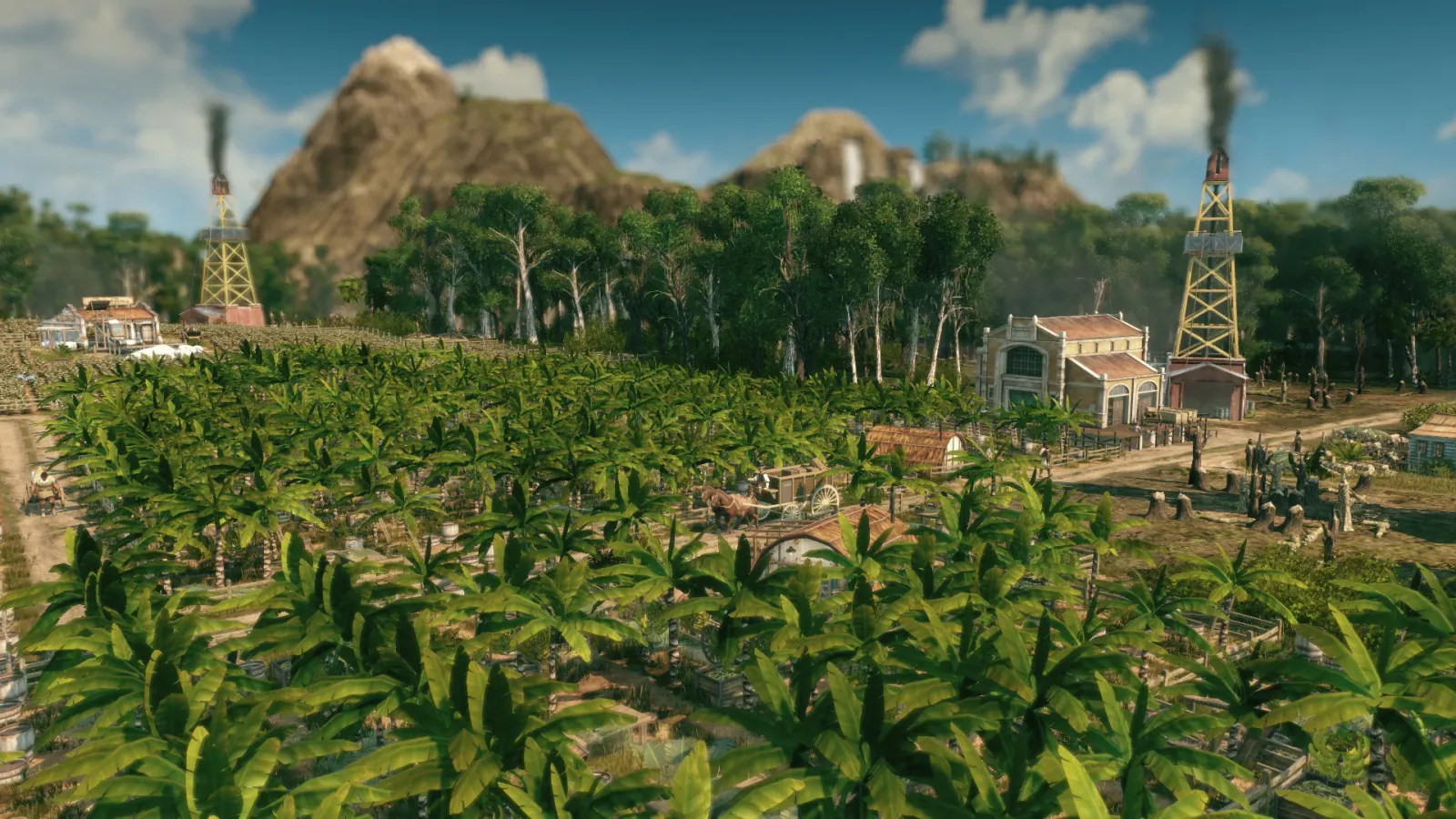
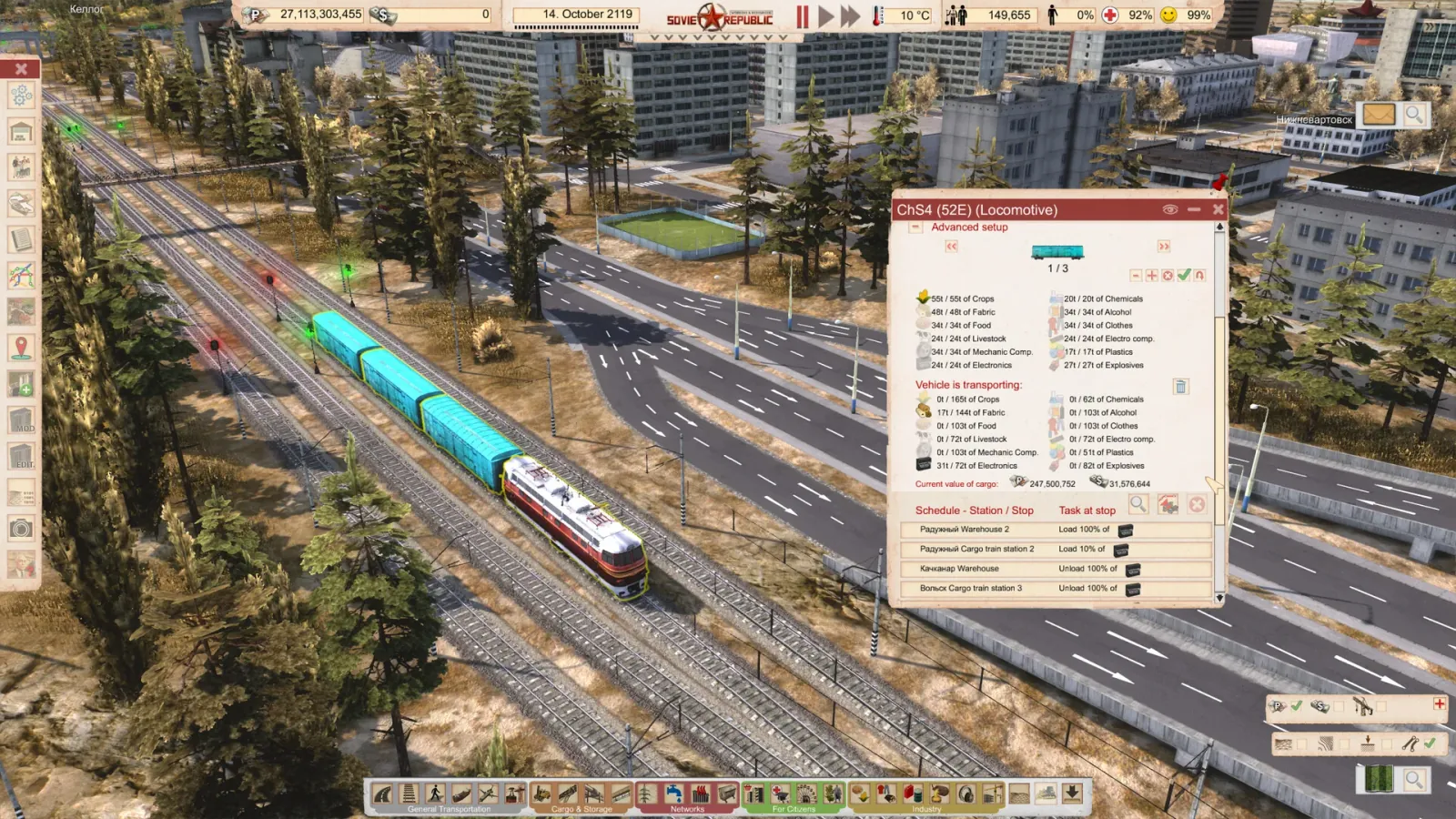
Players expand hex-based settlements, connect production chains, solve pollution and transport problems, and ship resources between islands and planets.
Why it may be useful
Nothing gets built without inputs, and every input comes from a tile you chose to spend on something else, so reading and tracing dependencies is the constant activity. The reasoning is genuine, but the model is simple and unnamed, so what carries over is an instinct rather than usable knowledge.
Keep in mind
Its value lies in logistics and interdependence, not in professional planning or environmental policy expertise.
Written 2026-09-15 · editorial assessment, not a measured effect · how we rate →
What the game is
Before We Leave is a gentle strategy game from the New Zealand studio Balancing Monkey Games, published by Team17 and released on Steam in 2021. Small people called Peeps come up from underground shelters after a long catastrophe and start rebuilding on the surface, with no memory of what the world used to be.
The map is made of hexagonal tiles across several biomes. You clear land, farm it, build houses and workshops, and link them so goods reach the people who need them. Buildings pollute, pollution makes Peeps unhappy and unhealthy, and unhappy Peeps work badly, so growth has to be paid for rather than simply pursued.
Later you sail to other islands and then fly to other planets, moving goods between places that each produce different things. There is no combat: the obstacles are ancient guardians, including space whales, that block a route until you solve the problem they present. Steam news shows the game reached its last major content update in 2022 with fixes continuing afterward.
What you actually do
You watch for the thing that is about to run short. Peeps need food, then clothes, then better housing, and each need adds a chain of buildings that itself needs inputs. Because tiles are limited, deciding what a hex is for is a real decision, and putting a smoky workshop next to houses costs you later. When an island cannot supply itself you set up a route to one that can, which turns a set of settlements into a network. Getting better means seeing the shortfall a few minutes early.
What it exercises
Plans land use on a limited grid where every tile has one purpose
Traces a shortage back to the missing input that caused it
Weighs production against the pollution and unhappiness it creates
Sets up transport between places that specialize in different goods
Grows a settlement at a rate its supply chain can actually support
Why we rate it Low Worksheet score 45 / 100
FitHow much real knowledge or skill does the play itself make you use?42weight 45%
Reading dependencies is what the game asks for constantly: nothing gets built without inputs, and inputs come from tiles you chose to spend on something else. The pollution system adds a genuine cost to growth rather than a message about it. The score settles at 42 because the pace is forgiving enough to muddle through without ever reasoning very hard.
TransferWill what you practise here work outside the game?32weight 30%
Supply-chain reasoning and the idea that growth has costs are both worth practicing, and this game presents them more plainly than most strategy games do. But the model is simple and unnamed, so the number lands at 32: what carries over is an instinct about interdependence rather than any knowledge you could apply elsewhere.
PracticeDoes the game make you use that skill again and again, as it gets harder?65weight 25%
The place-and-connect decision recurs every few minutes, and each new island restarts it with different terrain and different missing resources, which makes this the strongest dimension at 65. A single game does settle into routine once the network is stable, and there is a finite amount of content to work through, which keeps it from climbing higher.
What the evidence says
Editorial onlyNobody outside our desk has checked this. It is our reading of how the game plays.
The evidence level is Editorial only. Our sources are the game's Steam product page and its official news posts, which confirm the developer, the release, the hex-based settlement building, the pollution and happiness systems, the interplanetary expansion, the absence of combat, and that the last major content update landed in 2022 with fixes afterward. No study of this game exists and none is claimed. We were not able to recover a reliable current player-reception figure, which is why the record shows none. The meaningfulness case is a reading of the visible loop.
Editorial assessment - not a measured scientific effect.
Fit
42/100
Transfer
32/100
Practice
65/100
Why it makes the cut
PASS - Its gentle settlement-management loop is appealing as cozy strategy play first.
Editorial only
Our reading of the mechanics, based on the game's Steam product page and its official news posts. No independent study of this game exists, and current player-reception figures were not recoverable.
Prices are US store listings in USD, last refreshed 2026-09-25; regional prices and sales differ.
No subscription requirement was found on the verified PC route.
Official February 10, 2022 news said the Wasteland update was likely the final content update, while later 2022-2023 notes continued bug-fix support.
Current PC availability is verified through the exact Steam product route referenced by the official Steam launch and later patch notes. The same official news history also states that the Wasteland update was expected to be the final content update, with later activity focused on fixes rather than new features.
Current Steam news and patch notes document active PC support and French localization fixes.
Age guidance
Ages 10+
Topics
Logic & strategy
Play styles
Single-player, Strategy, Simulation
Tags
Production chains · Settlement logistics · Interplanetary transport
Nothing gets built without inputs that come from a tile spent on something else, so tracing a shortage back to its cause is constant, and each new island repeats the exercise with different terrain.