

Free games worth your time
Genuinely free games: no ads, no chat with strangers and no purchase needed to play the real thing.
Editorial collection16 gamesFrom age 8Compiled Sep 2026
Nobody learns programming from a game alone, but the habits underneath it, ordering steps, spotting the bug, building a loop, can be practised long before syntax. This ladder starts with marbles and arrows on a table and ends with games that run actual code.
Ages 8+MobileMeaningfulness 60/100 · Moderateresearch Research-backed
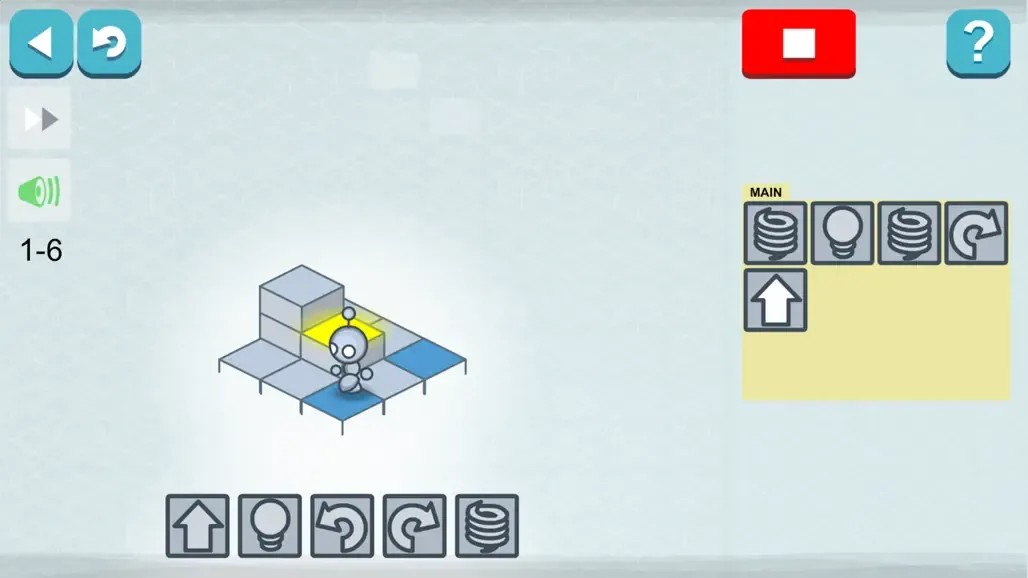
Program a robot with arrow commands and discover procedures when the instruction slots run out.
Ages 8+MobileMeaningfulness 65/100 · Moderatepractice Practice-backed
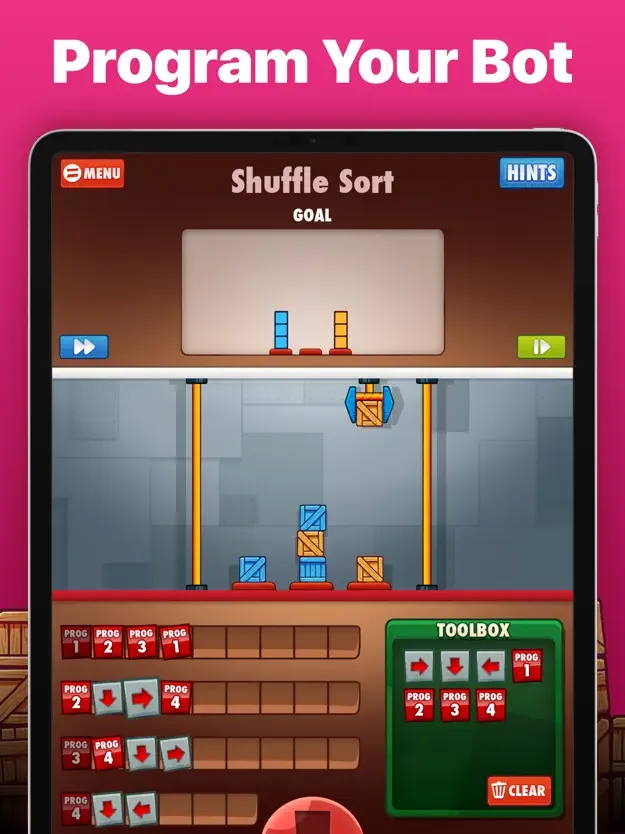
Stack crates with a claw using tiny programs; free, and the first place many children meet a loop.
Ages 8+Board gameMeaningfulness 72/100 · Highpractice Practice-backed
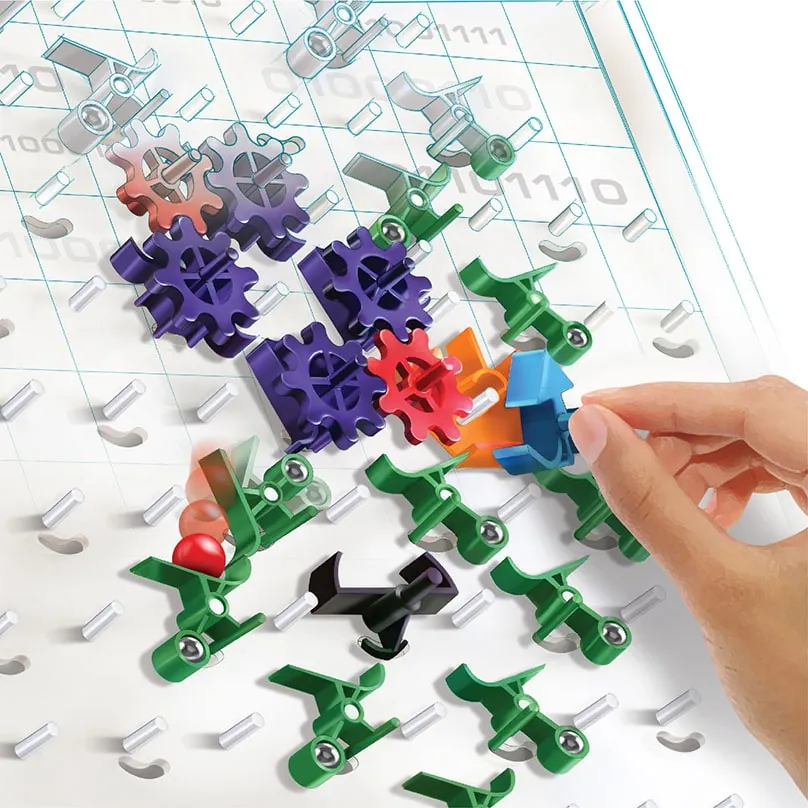
A marble-powered machine on the table where bits, counting and addition are parts you can touch.
Ages 9+ · ESRB EConsoleMeaningfulness 69/100 · Moderatepractice Practice-backed
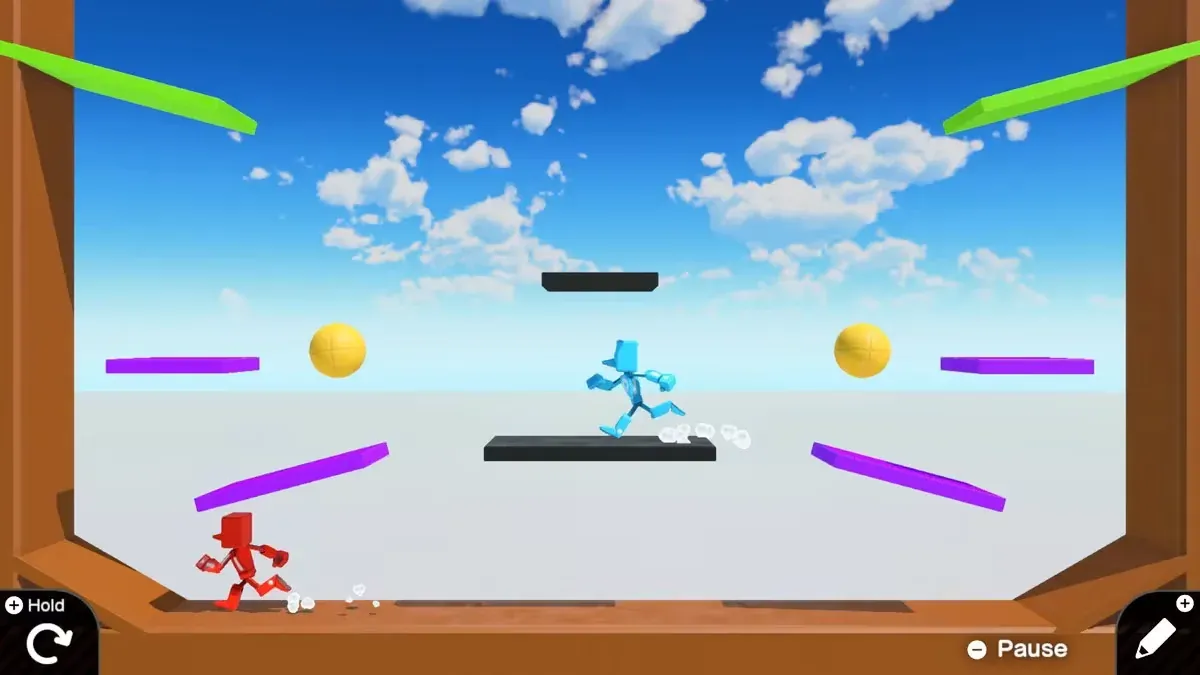
Nintendo's visual scripting nodes make a whole game's logic visible and editable on a Switch.
Ages 9+PC, WebMeaningfulness 68/100 · Moderateeditorial Editorial only
Visual blocks tell a crew of robots what to do, and functions arrive when routines get too long to manage.
Ages 10+ · ESRB E10+PC, Console, MobileMeaningfulness 76/100 · Higheditorial Editorial only
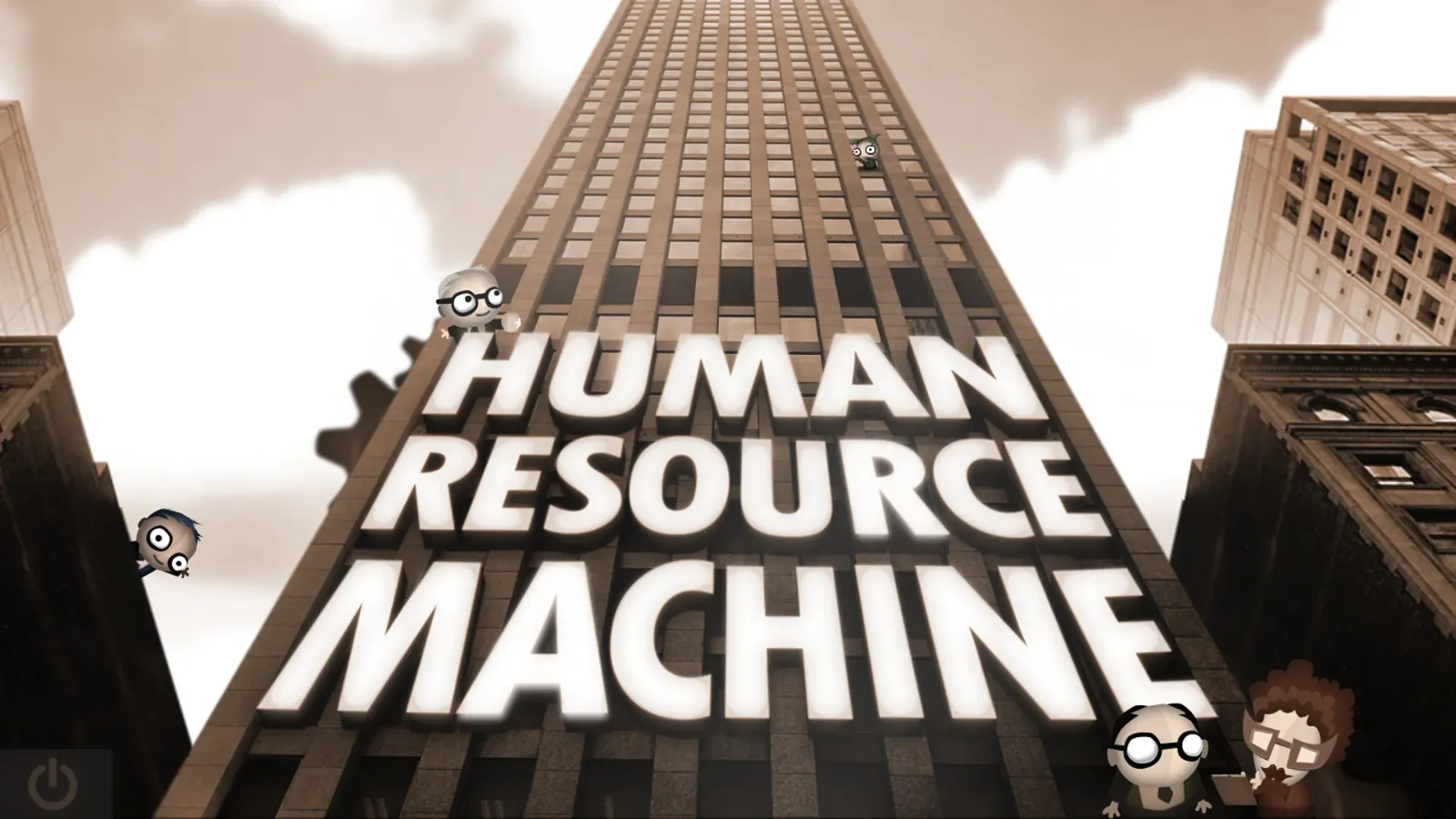
Office workers execute instruction lists that are real assembly-style programs, one concept per level.
Ages 10+ · ESRB EPC, Console, MobileMeaningfulness 71/100 · Higheditorial Editorial only
The sequel programs crowds at once, so parallel thinking and race conditions appear as puzzles.
Ages 10+ · ESRB EPC, ConsoleMeaningfulness 67/100 · Moderateeditorial Editorial only
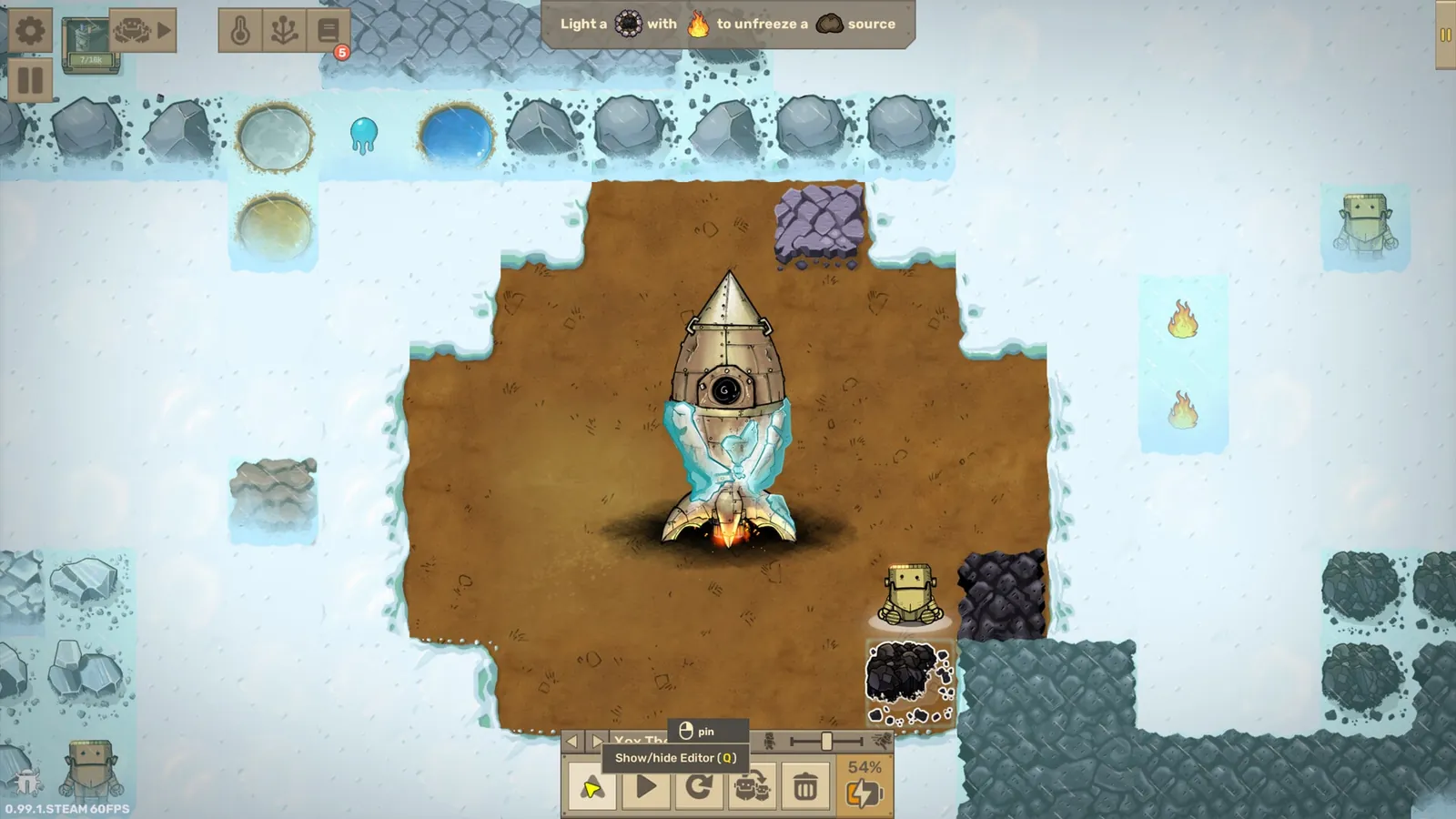
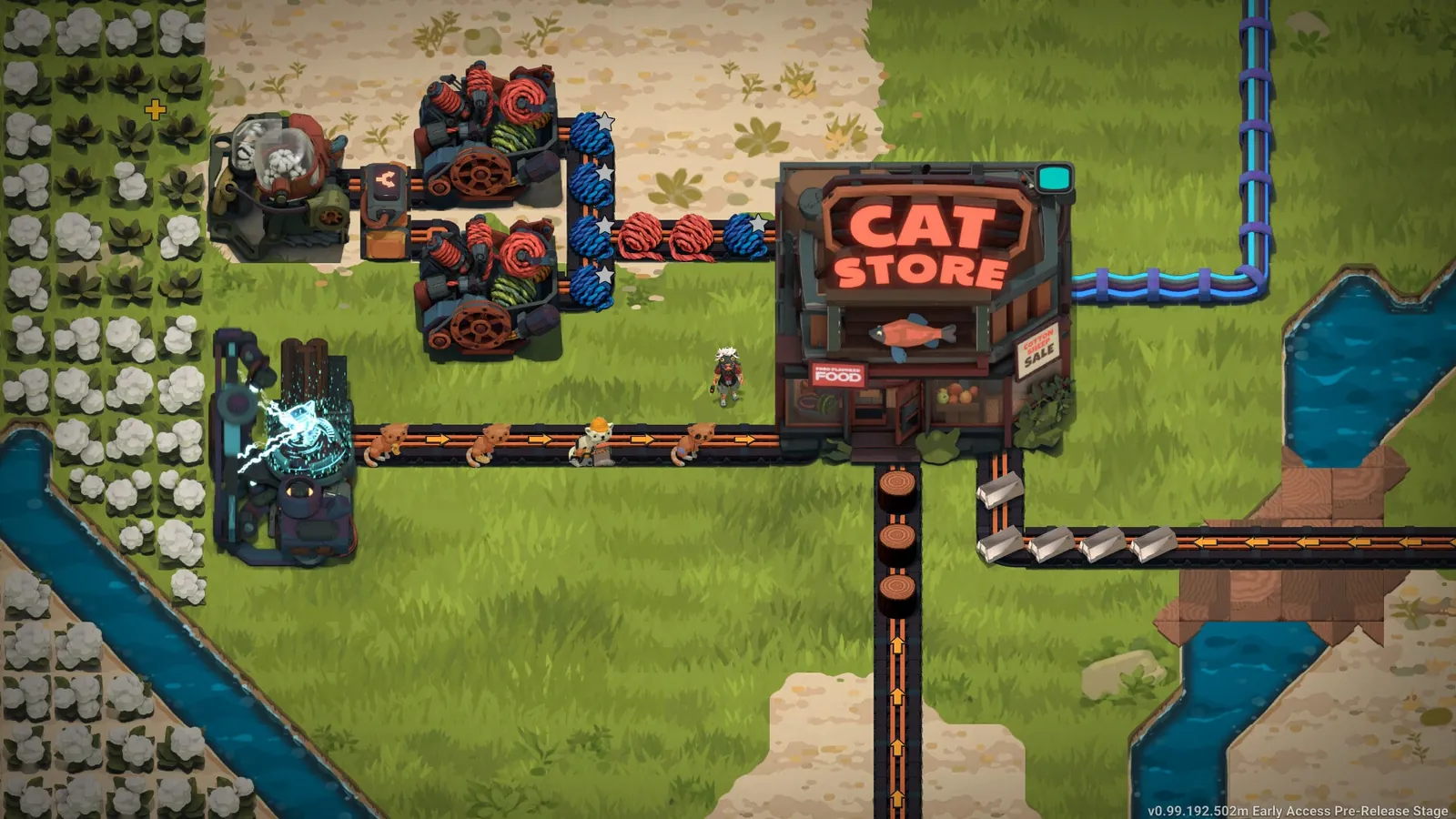
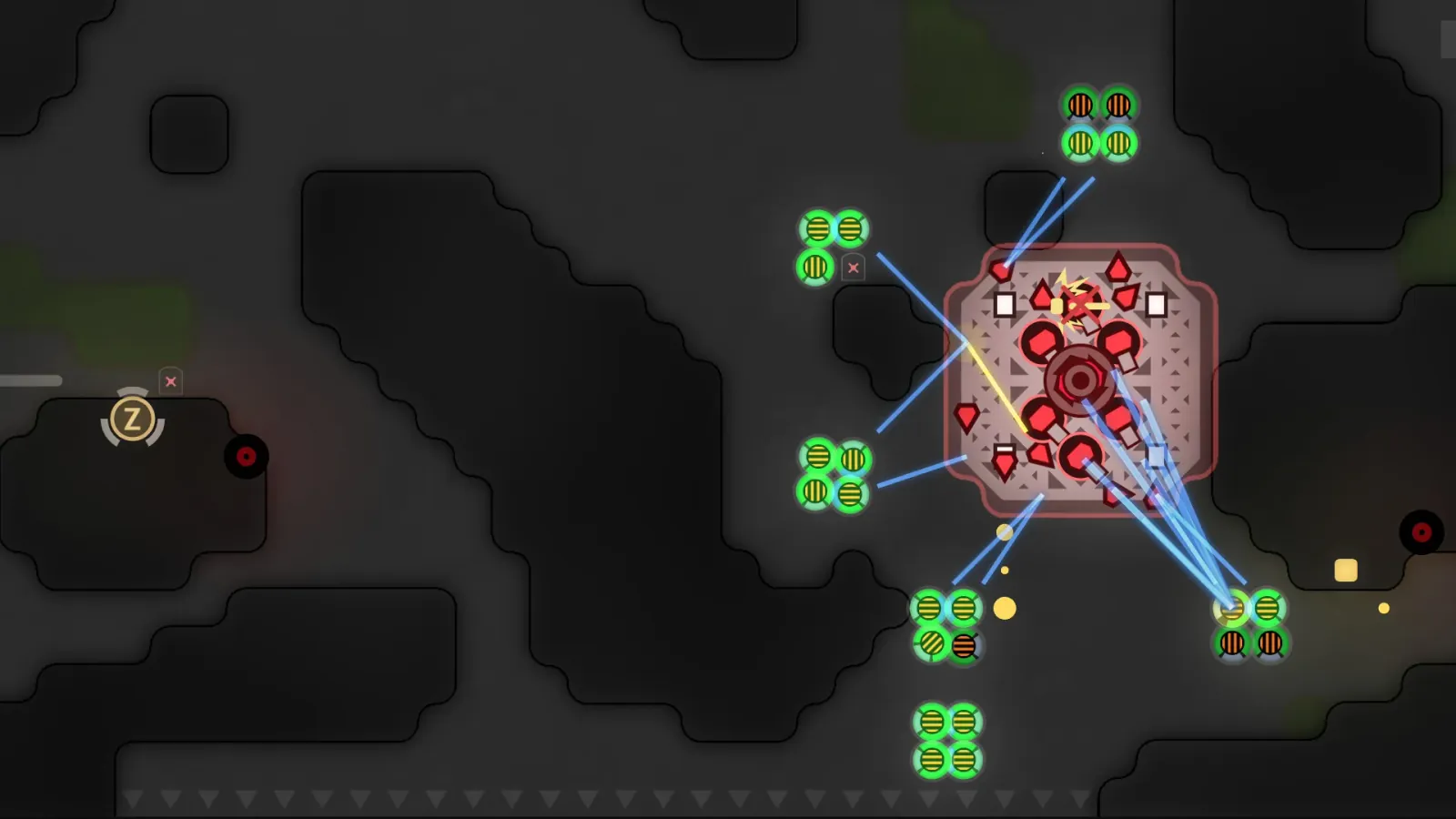
Teach robots by demonstration, then read and edit the visual script they recorded to automate a colony.
Ages 10+PC, ConsoleMeaningfulness 64/100 · Moderateeditorial Editorial only
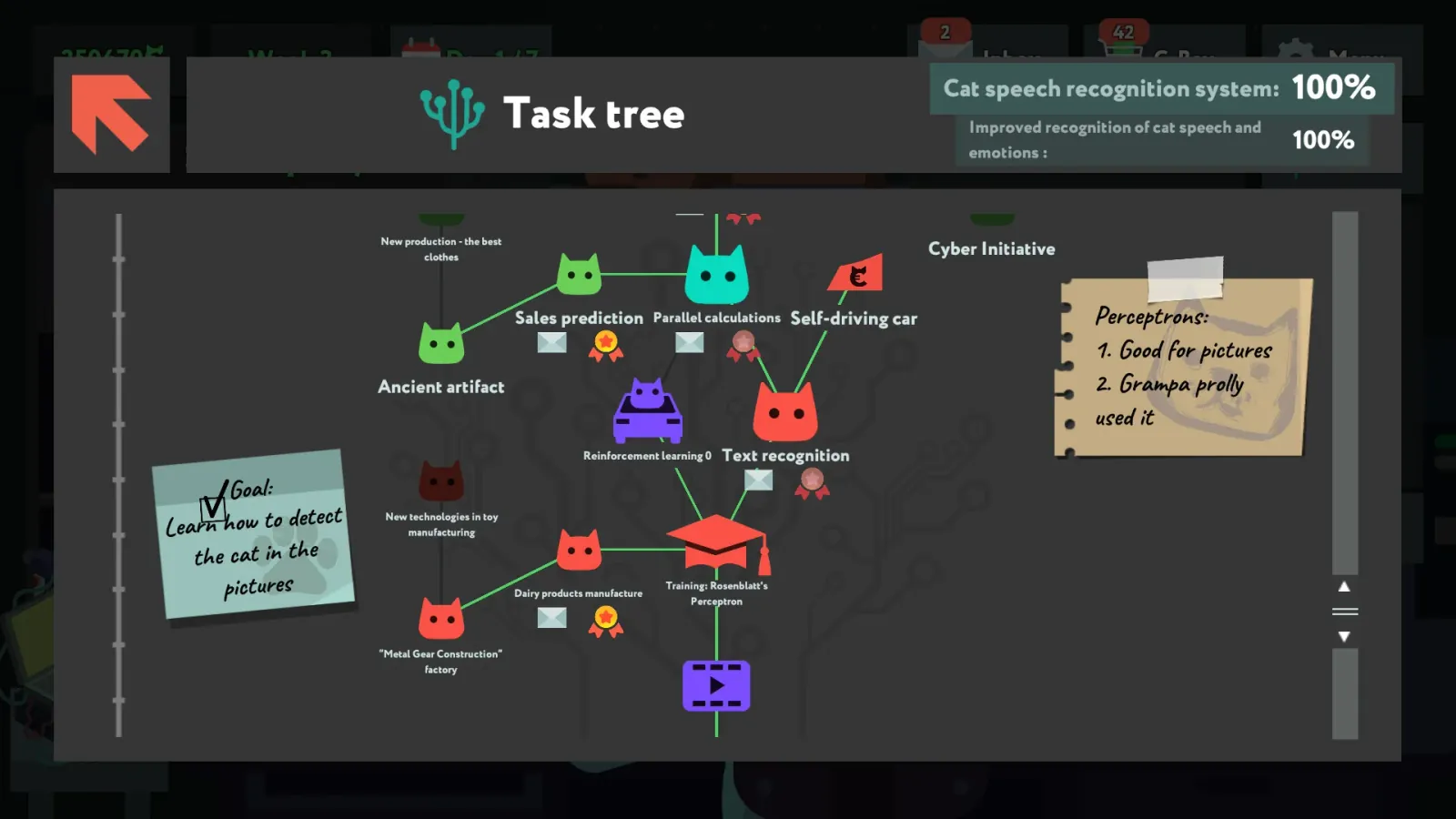
Data you collect trains an in-game model, so prediction becomes a machine on the factory floor.
Ages 12+PC, WebMeaningfulness 61/100 · Moderateeditorial Editorial only
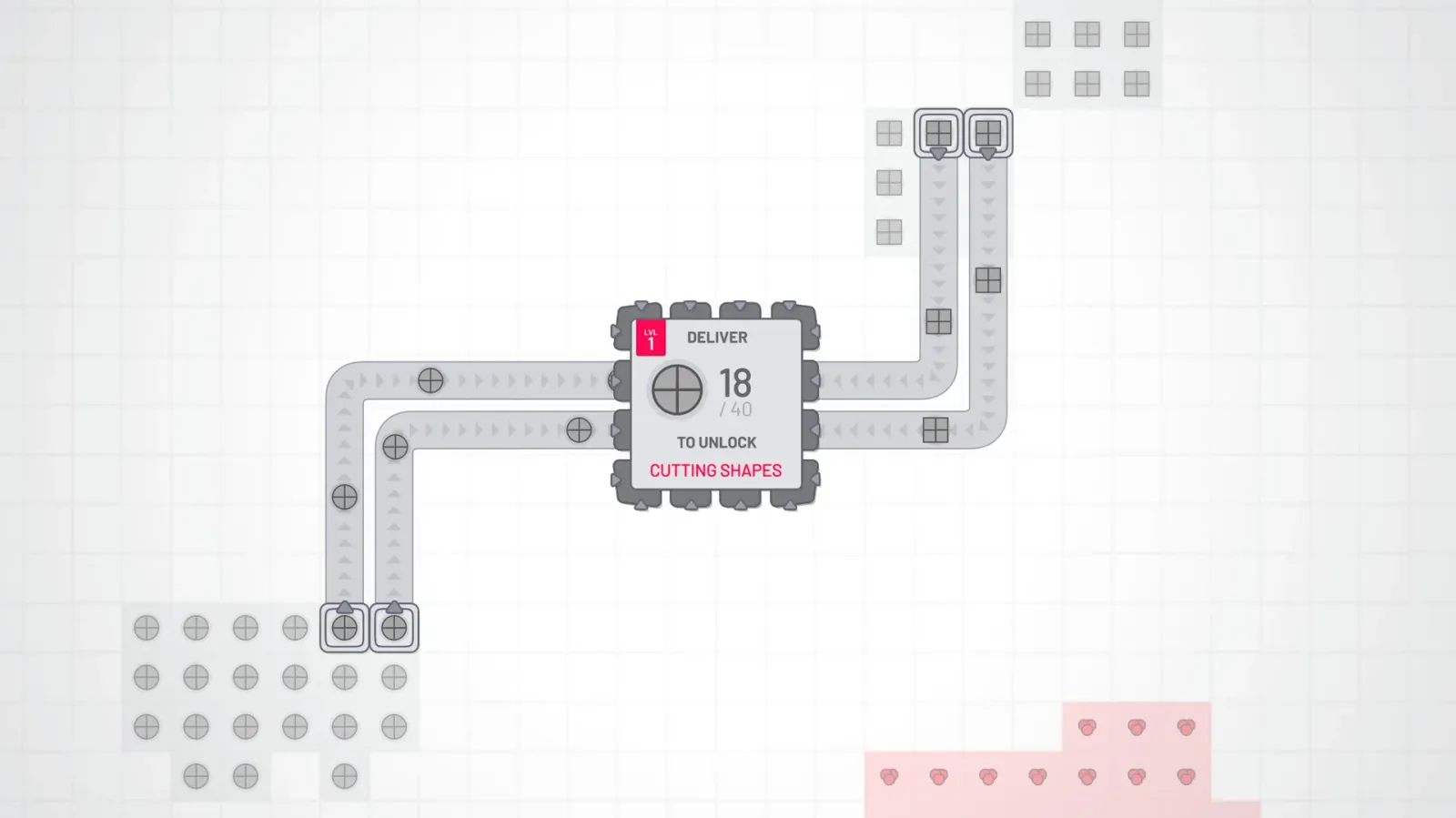
Conveyor belts, cutters and painters form production lines that are really flowcharts; free in the browser.
Ages 12+PCMeaningfulness 72/100 · Highpractice Practice-backed
Two arms share one workspace, which turns every puzzle into a lesson in doing things at the same time.
Ages 13+ · ESRB EPC, Console, MobileMeaningfulness 66/100 · Moderateeditorial Editorial only
Machine-learning ideas as node-based puzzles, with the vocabulary explained between levels.
Ages 13+Web, PCMeaningfulness 91/100 · Exceptionaleditorial Editorial only
Units are controlled only by JavaScript you write, in a persistent world; free to start.
Ages 13+PCMeaningfulness 88/100 · Exceptionalpractice Practice-backed
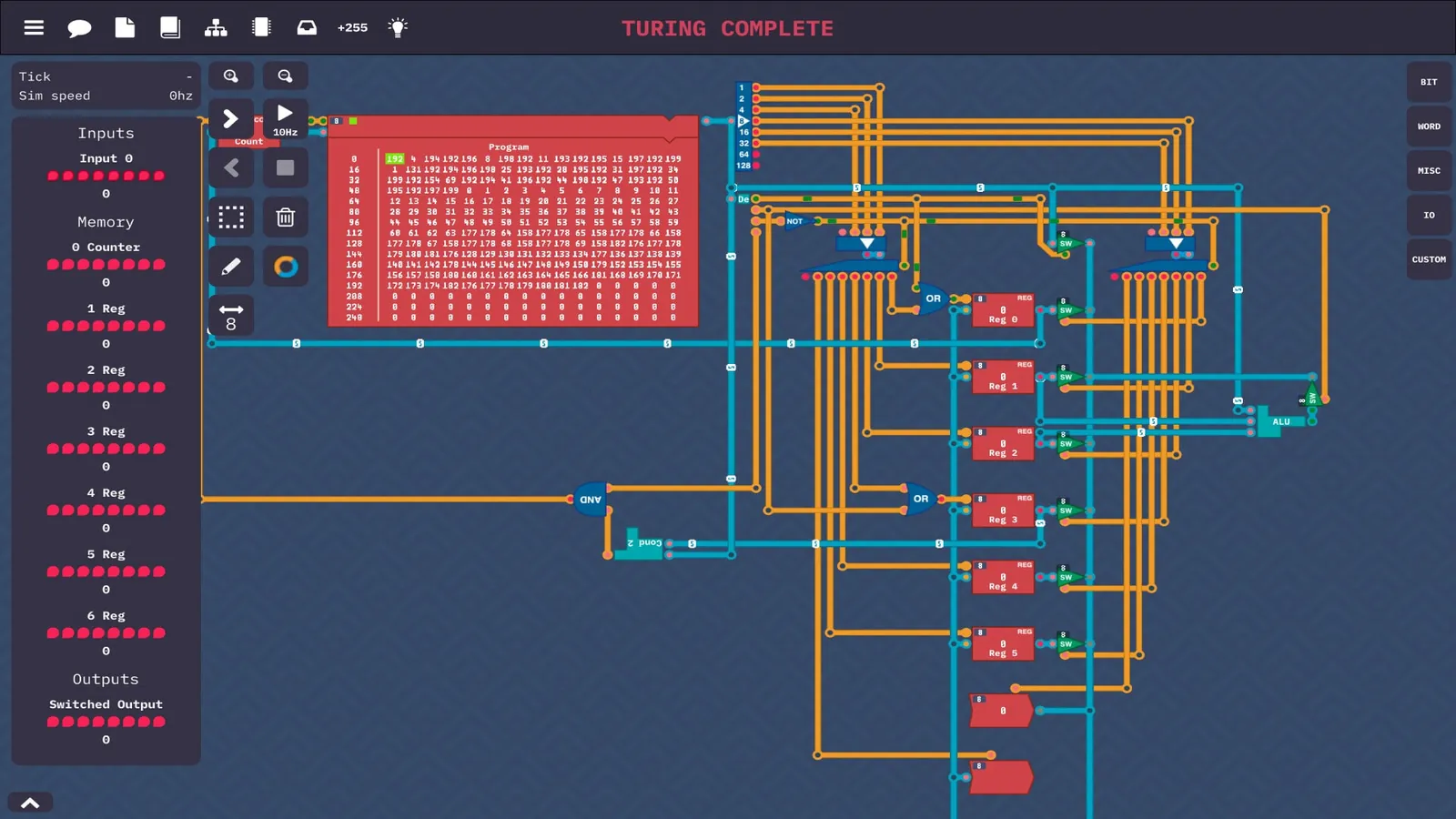
Starts at a single NAND gate and ends with a processor you designed and an assembly language you invented.
Ages 14+PCMeaningfulness 79/100 · Highpractice Practice-backed
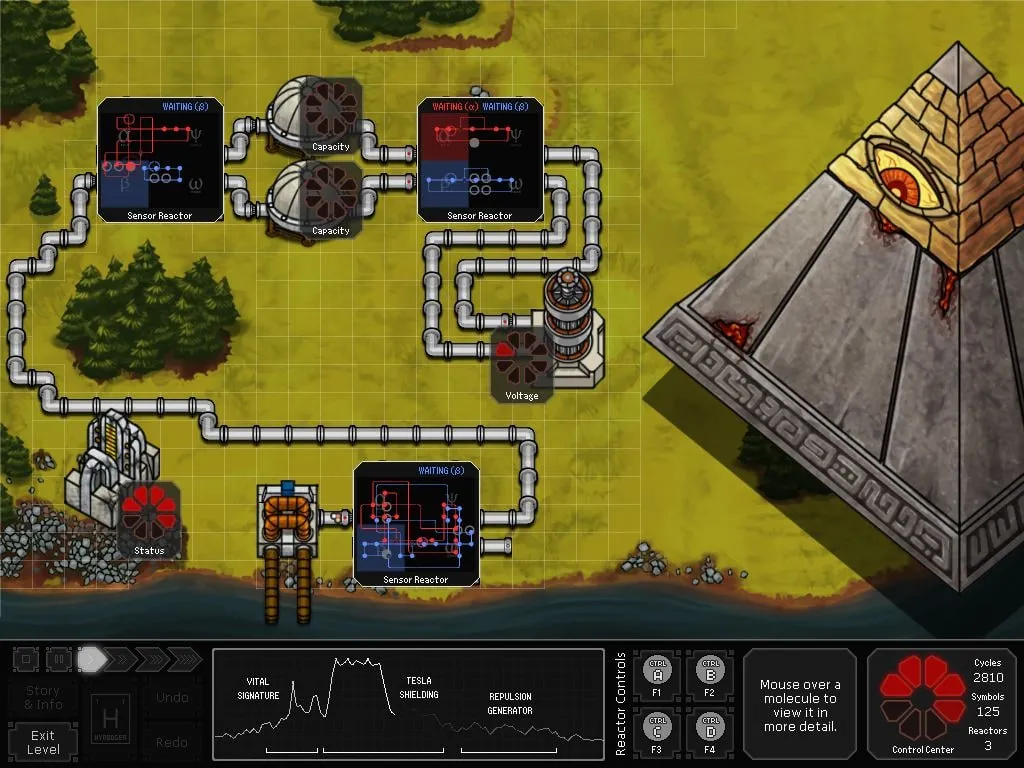
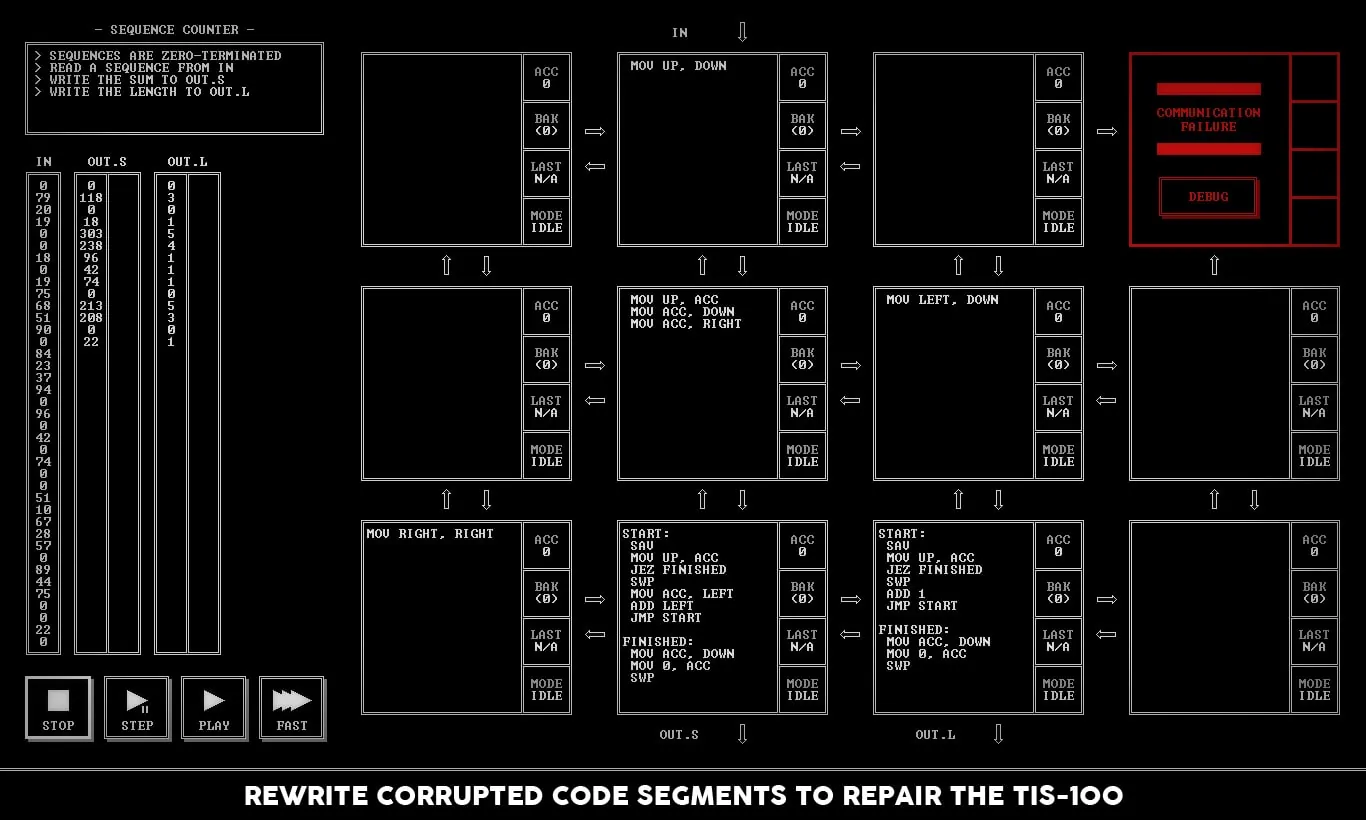
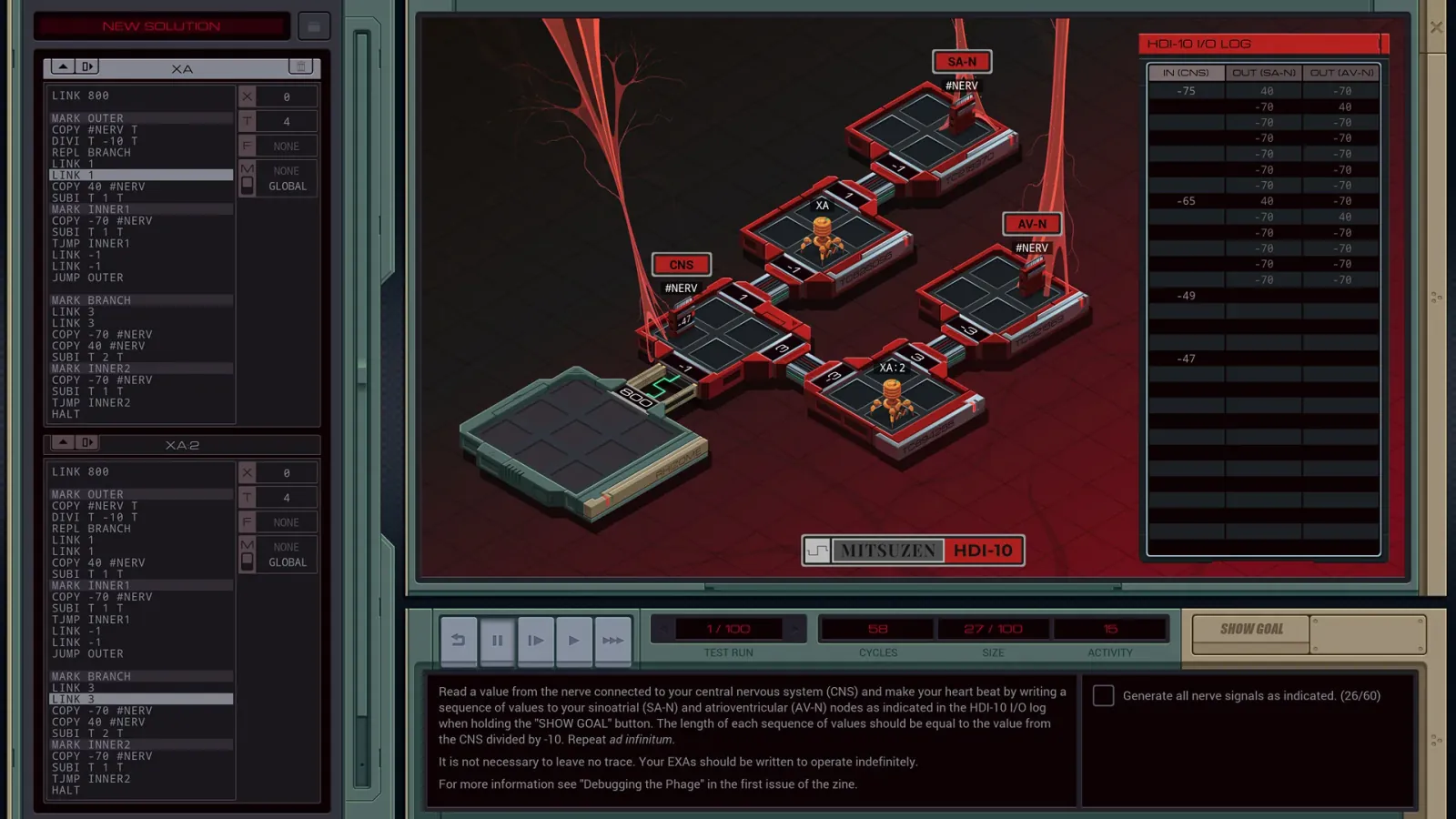
Assembly across a grid of tiny processors that can only talk to their neighbours, scored on cycles and instructions.
Ages 15+PCMeaningfulness 84/100 · Highpractice Practice-backed
Small programs in a real-feeling assembly language hack into fictional systems; for teenagers who want the real thing.
Genuinely free games: no ads, no chat with strangers and no purchase needed to play the real thing.
Games where fractions, forces, orbits, algorithms and molecules are the mechanics, not the wrapping paper.